
Tesla Begins Hiring AI Hardware Engineers in Bengaluru, Signaling Deeper Tech Expansion in India
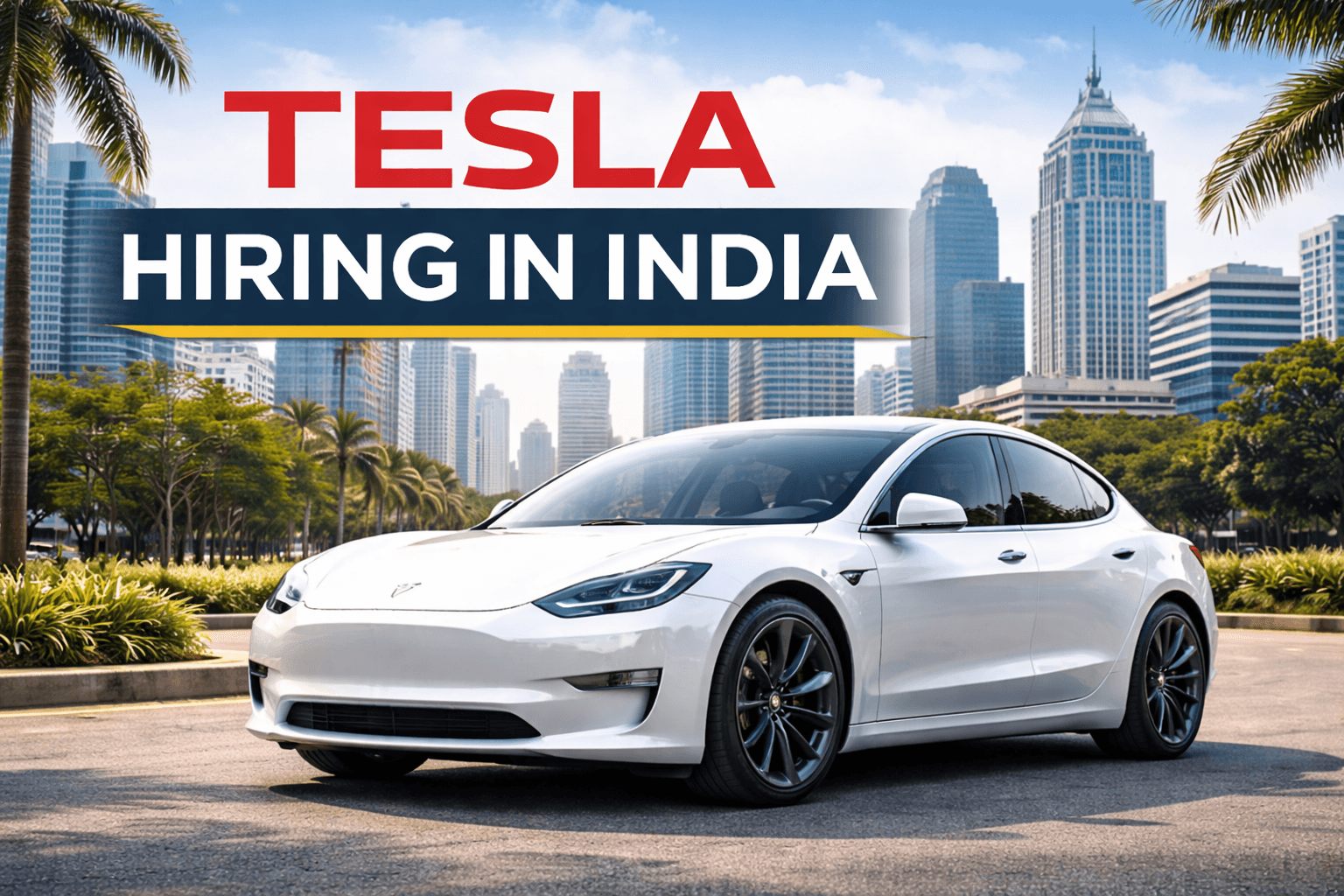
Tesla, the electric vehicle and renewable energy pioneer, is making a major strategic move in India. The company has started recruiting AI hardware engineers in Bengaluru, reflecting its intent to strengthen technology operations and tap into India’s growing pool of skilled engineers. This development marks a key moment in Tesla’s tech expansion and significantly impacts the local jobs ecosystem, particularly for advanced engineering roles tied to artificial intelligence and hardware integration.
This move is not about frontline manufacturing or sales alone. It points to deepening investment in engineering innovation, software defined systems, and future-oriented tech capabilities in a global market where talent is a strategic asset.
Why Tesla’s Hiring in Bengaluru Matters
Bengaluru is widely regarded as India’s technology capital, home to major research centres, software hubs, and a growing startup ecosystem. Tesla’s decision to recruit AI hardware engineers here suggests the company sees India as more than just a potential vehicle market. It views the country as a talent engine in domains like machine learning, embedded systems, robotics, and hardware-software co design.
AI hardware engineering involves designing and optimizing chips, systems, and electronic architectures that power intelligent machines. In Tesla’s case, this ties directly to technologies for autonomous driving, energy management systems, robotics, and data processing. Engineers with expertise in this area are crucial for designing systems that are efficient, safe, and scalable.
By opening roles in Bengaluru, Tesla is positioning itself to benefit from India’s vast engineering talent while embedding itself deeper in global AI hardware workstreams.
You might like this: Nothing Opens Its First India Flagship Store in Bengaluru
What Tesla Is Hiring For
The recruitment drive is centred on AI hardware engineer roles. These positions typically require expertise in:
- System architecture for intelligent hardware
- Embedded systems and low level firmware
- AI inference optimization on edge devices
- Hardware performance profiling and benchmarking
- Integration of sensors, processors and machine learning models
Tesla’s hardware teams are known for pushing boundaries at the intersection of automotive, robotics and artificial intelligence. Engineers in Bengaluru are likely to contribute to global projects that support Tesla’s autonomous driving platform, intelligent control systems, and next generation energy products.
While specific job counts have not been released publicly, the listings and outreach indicate a sustained commitment to bring highly skilled engineers on board.
Strategic Context: Tesla’s Global Talent Strategy
Tesla’s Bengaluru hiring initiative aligns with broader global trends in technology recruitment. Major global firms are establishing engineering centres in India to access high quality researchers and engineers with specialisations in AI, machine learning, data science and hardware design. This includes companies like Google, Microsoft, Amazon, Apple and Nvidia, each of which has substantial engineering footprints in India.
For Tesla, having a local engineering presence enhances its ability to innovate faster and collaborate with regional partners, universities and research labs. It also supports ecosystem building by creating opportunities for mentorship, local tech events, and talent development programs.
Impact on Careers and Local Tech Ecosystem
Tesla’s hiring push in Bengaluru has important implications for career seekers and the technology landscape:
1. Demand for Specialized Skills
AI hardware roles require deep knowledge of systems design, signal processing, and AI integration. Professionals with such expertise are in high demand, and Tesla’s entry signals a broader market trend where such roles are no longer niche but mainstream.
2. Attraction of Global Opportunities
Engineering graduates and mid career professionals in India now have more opportunities to work directly with global tech leaders, contributing to world class products without relocating abroad.
3. Upskilling and Innovation Momentum
Local universities, bootcamps and corporate learning programs may see increased demand for courses in AI systems, embedded engineering and machine learning infrastructure. This supports broader workforce readiness and skill building.
4. Ecosystem Growth
Tesla’s presence can catalyze partnerships, internships and collaboration opportunities with Indian academic institutions and startups working in autonomous systems, robotics, smart mobility, and clean energy technologies.
How Professionals Can Prepare
For engineers interested in these evolving opportunities, developing a mix of domain skills will be important. Candidates can focus on:
- Strong foundation in computer architecture and systems design
- Proficiency in machine learning frameworks and hardware acceleration
- Understanding of real time operating systems and embedded software
- Familiarity with sensor fusion and autonomous control systems
- Hands on experience with prototyping and hardware test benches
Certifications, research projects, and practical portfolio work can significantly strengthen a candidate’s profile. Participating in hackathons, open source projects, and internships with related focus areas gives professionals a competitive edge.
Topics
Covering startup news, AI, technology, and business at ThePrimely. Delivering accurate, in-depth reporting on the stories that shape the future.