
Artemis II Launch: Final countdown underway for historic Moon fly, Why Is NASA Returning Humans to the Moon After Decades
The Artemis II launch marks a defining moment in modern space exploration. For the first time in over 50 years, humans are preparing to travel toward the Moon again. This mission signals a shift from symbolic exploration to sustained presence.
Led by NASA, Artemis II is not just another mission. It is a strategic step toward long term lunar operations and future Mars ambitions.
What Is Artemis II and Why Does It Matter Now?
Artemis II is the first crewed mission under the Artemis program. It follows the success of Artemis I, which tested systems without astronauts.
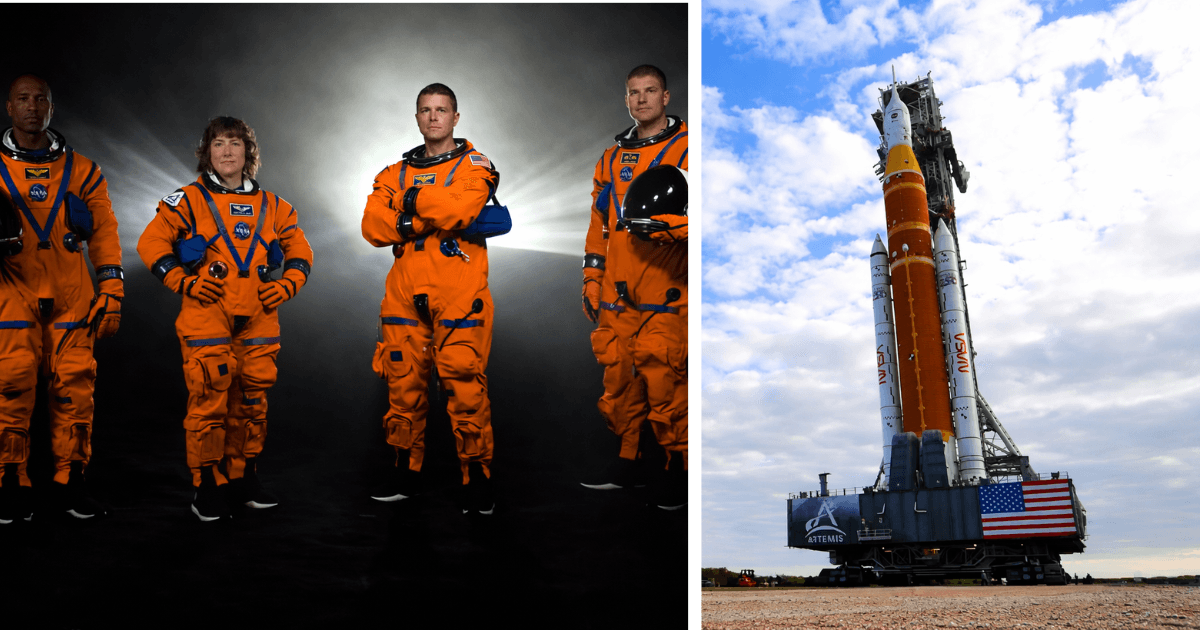
This mission will carry four astronauts aboard the Orion spacecraft. They will travel around the Moon and return safely to Earth. The goal is clear. NASA aims to validate life support systems, navigation, and deep space operations with humans onboard.
Artemis II Launch Timeline and Mission Profile
Countdown and Liftoff
The mission is scheduled for liftoff using the Space Launch System. This is the most powerful rocket ever built by NASA. The launch window aligns with precise orbital conditions. Timing is critical for a successful lunar flyby.
Mission Duration and Path
The mission will last about 10 days. The crew will travel thousands of kilometers beyond the Moon. They will perform a lunar flyby instead of landing. This ensures safety while testing deep space capabilities.
Crew and Human Element, A Historic Return
Who Is Flying on Artemis II?
NASA has selected four astronauts for this mission. The crew includes experienced space travelers and new faces. Notably, the mission reflects diversity. It includes the first woman and the first person of color assigned to a lunar mission.
Why This Crew Matters
The crew represents a new era of exploration. NASA is positioning Artemis as a global and inclusive program. This shift strengthens international collaboration and public engagement.
Testing for the Future
Orion Spacecraft Capabilities
The Orion spacecraft will support astronauts in deep space. It includes advanced life support and radiation protection systems. These systems are critical for longer missions, including future Mars exploration.
Role of the Space Launch System
The Space Launch System provides unmatched power. It enables heavy payload delivery beyond Earth orbit. Together, Orion and SLS form the backbone of NASA’s lunar strategy.
Beyond a Single Mission
The Artemis II launch is not an isolated event. It is part of a broader roadmap. NASA plans to establish a sustainable human presence on the Moon. This includes building infrastructure and enabling scientific research. Moreover, the mission strengthens partnerships with global space agencies and private companies.
What Comes After Artemis II?
Artemis II sets the stage for Artemis III. That mission aims to land humans on the lunar surface. This progression reflects a clear strategy. NASA is moving step by step toward permanent lunar exploration.
In addition, the mission supports long term goals such as Mars exploration and deep space habitation. The Artemis II launch represents a turning point in space exploration. It combines proven ambition with modern strategy.
NASA is not just revisiting the Moon. It is building a foundation for the future. If successful, Artemis II will redefine how humanity approaches deep space. The mission is less about returning and more about staying.
FAQ's
1. What is Artemis II?
Artemis II is NASA’s first crewed mission to orbit the Moon under the Artemis program.
2. How long will the mission last?
The mission is expected to last around 10 days.
3. Will astronauts land on the Moon?
No, Artemis II involves a lunar flyby, not a landing.
4. What rocket will be used?
NASA will use the Space Launch System for the launch.
5. What is the goal of Artemis II?
The mission aims to test systems with astronauts before future lunar landings.
Topics
Covering startup news, AI, technology, and business at ThePrimely. Delivering accurate, in-depth reporting on the stories that shape the future.