
Iran Linked Cyberattack on Stryker Raises Global Healthcare Security Alarm
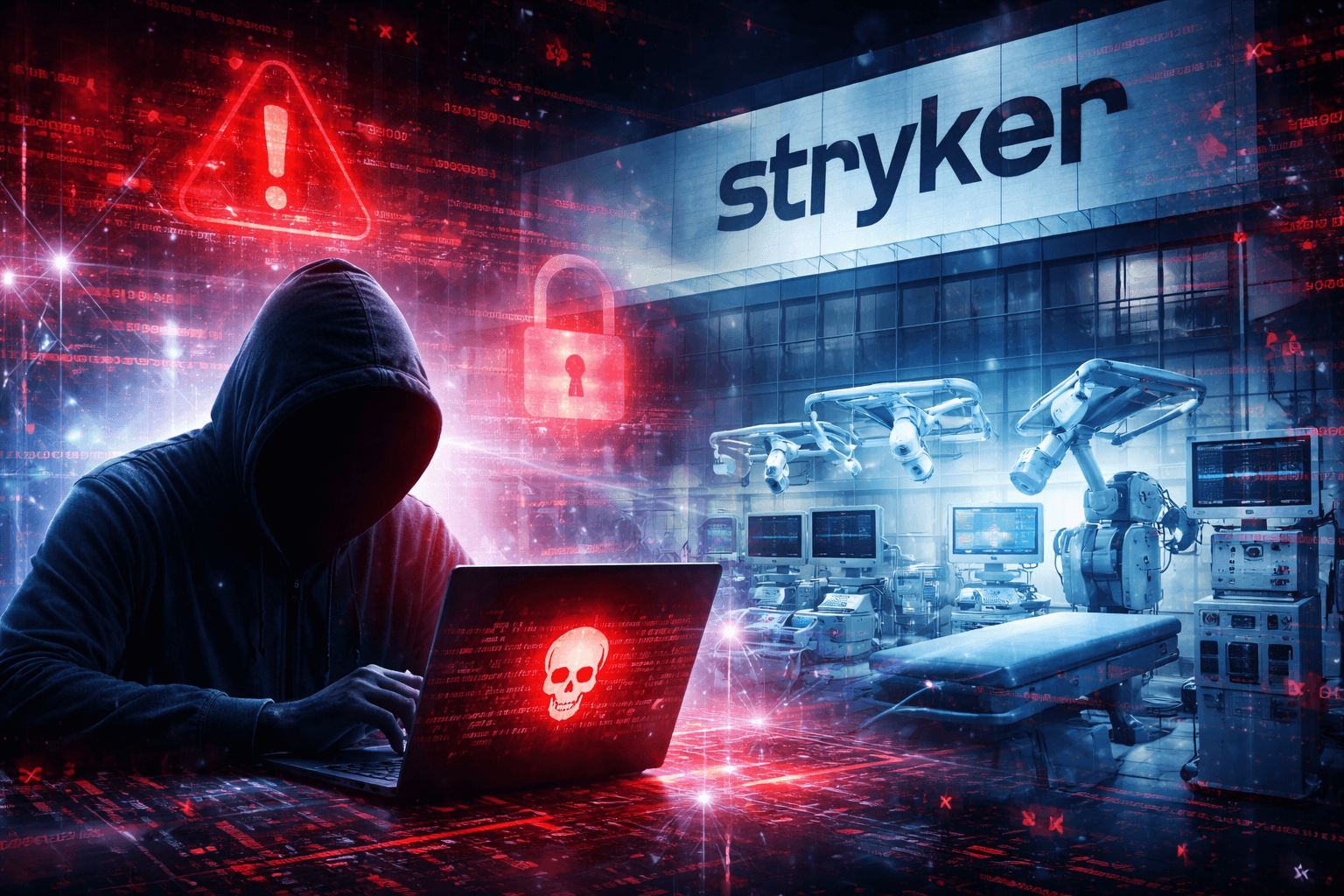
A major cybersecurity incident has shaken the global healthcare technology sector.
Iran linked hackers have claimed responsibility for a cyberattack on Stryker, one of the world's largest medical device manufacturers.
The attack reportedly disrupted internal systems and triggered security concerns across hospitals and medical networks. Because Stryker products operate inside thousands of healthcare facilities worldwide, the incident has raised urgent questions about cybersecurity resilience in the healthcare supply chain.
While investigations are still underway, early reports suggest the attackers used destructive malware designed to disable systems rather than steal data.
This development highlights how geopolitical tensions increasingly spill into digital infrastructure.
Stryker’s Role in Global Healthcare
Stryker Corporation is a major US based medical technology company. It develops surgical equipment, orthopedic implants, robotics systems, and hospital technologies.
The company operates in more than 75 countries and supplies medical devices to thousands of hospitals worldwide.
Its technologies support critical healthcare functions such as:
- Surgical procedures
- Orthopedic operations
- Hospital infrastructure systems
- Patient monitoring technologies
Because hospitals rely on these systems daily, any disruption can quickly affect medical operations.
Therefore, even a temporary outage inside Stryker’s digital network can ripple across healthcare institutions globally.
What the Hackers Claimed
According to reports, a pro Iran hacker group claimed responsibility for the cyberattack.
The group alleged it successfully penetrated Stryker's internal systems and deployed wiper malware. This type of malware is designed to erase data and disable computers permanently.
Unlike ransomware attacks that demand payment, wiper malware focuses on destruction.
If confirmed, this would indicate a strategic cyber operation aimed at disruption rather than financial gain.
Some hacker messages suggested the attack was politically motivated and connected to rising tensions in the Middle East.
However, cybersecurity investigators have not yet publicly confirmed the full extent of the intrusion.
Wiper Malware: Why Experts Are Concerned
Wiper malware represents one of the most dangerous cyberattack tools.
Unlike traditional cybercrime, it aims to destroy infrastructure.
Key characteristics include:
Data Destruction
The malware permanently deletes system files and critical data.
System Paralysis
Affected computers become unusable and must be rebuilt from scratch.
Rapid Spread
In corporate networks, wiper malware can propagate quickly across connected systems.
Operational Shutdown
Organizations may experience extended downtime during recovery.
For healthcare technology providers like Stryker, such damage could disrupt device management platforms, internal operations, and service networks.
What Actually Happened to Stryker Systems
Initial reports suggest the cyberattack disrupted some internal systems within Stryker’s global network.
However, there is currently no confirmation of direct impact on patient care devices or hospital equipment.
Stryker reportedly activated its cybersecurity response protocols soon after detecting suspicious activity.
These actions typically include:
- Network isolation
- Incident containment
- Digital forensics investigation
- System recovery procedures
Large technology firms maintain redundant infrastructure. Therefore, many services can continue operating even during cyber incidents.
Still, the event highlights how vulnerable medical supply chains remain to cyber threats.
Rising Cyber Threats to Healthcare Infrastructure
Healthcare has become one of the most targeted sectors for cyberattacks.
Several factors explain this trend.
High Operational Urgency
Hospitals cannot afford downtime. Attackers know this increases pressure on victims.
Legacy Technology
Many hospital systems run older software that contains security weaknesses.
Valuable Data
Medical records and research data hold significant black market value.
Critical Infrastructure Status
Healthcare disruptions create large social and political pressure.
Because of these factors, attackers often view healthcare networks as high impact targets.
Geopolitical Cyber Warfare Enters the Healthcare Sector
The alleged Iran linked cyberattack on Stryker also reflects a broader trend.
Cyber operations increasingly accompany geopolitical conflicts.
State aligned hacker groups frequently target infrastructure linked to rival nations.
Historically, these targets included:
- Energy networks
- Financial institutions
- Government databases
Now the list appears to include healthcare technology providers.
Experts warn that this shift could increase risks for hospitals that depend on globally connected systems.
Strategic Implications for the Medical Technology Industry
This incident carries broader implications for the global medical technology ecosystem.
Supply Chain Vulnerability
Healthcare systems depend heavily on specialized device manufacturers.
If these companies suffer cyber disruption, hospitals may face operational delays.
Cybersecurity Investment
Medical technology firms may accelerate spending on cybersecurity infrastructure and threat monitoring.
Regulatory Scrutiny
Governments could introduce stricter cybersecurity standards for medical device manufacturers.
Digital Risk Awareness
Hospital administrators are likely to reassess vendor security requirements.
As healthcare technology becomes more connected, cybersecurity will increasingly shape operational resilience.
A Turning Point for Healthcare Cybersecurity
The cyberattack claim against Stryker highlights a critical shift.
Healthcare technology now sits at the intersection of geopolitics, cybersecurity, and critical infrastructure.
Organizations across the sector must strengthen their defenses.
This includes:
- Zero trust network architecture
- Real time threat detection
- Secure device software updates
- Stronger vendor security audits
Cyber threats will continue evolving. However, proactive investment in cybersecurity resilience can reduce systemic risk.
Topics
Covering startup news, AI, technology, and business at ThePrimely. Delivering accurate, in-depth reporting on the stories that shape the future.