
Cheap Weight-Loss Drugs in India Could Transform Global Obesity Fight
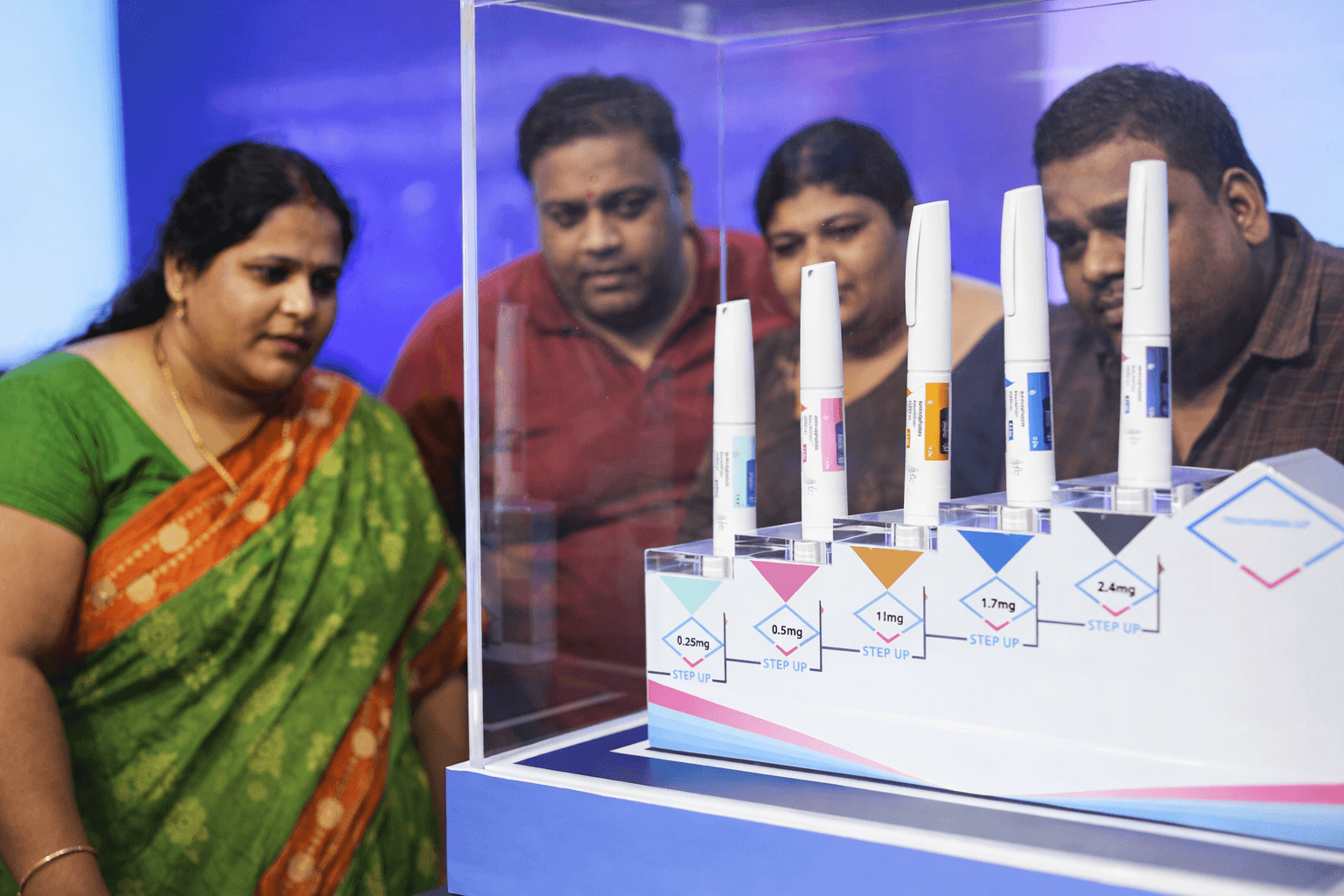
India could soon witness a major shift in how obesity and diabetes are treated, as cheaper versions of popular weight-loss drugs enter the market.
The change comes as the patent on semaglutide, the key ingredient behind blockbuster drugs such as Wegovy and Ozempic, expires in the country.
This allows Indian pharmaceutical companies to produce low-cost generic versions. Prices could drop by more than half, making the treatment accessible to millions.
A “Magic-Pill Moment” for India
Analysts believe the impact could be significant.
Investment bank Jefferies has described the development as a potential “magic-pill moment” for India. It estimates the domestic semaglutide market could reach $1bn with strong demand.
India’s competitive drug industry is expected to move quickly. Analysts say around 50 branded versions of semaglutide could enter the market within months.
A similar trend followed the patent expiry of diabetes drug sitagliptin in 2022. Dozens of versions appeared within weeks, and nearly 100 within a year.
Prices Set to Fall Sharply
At present, treatment remains expensive.
- Ozempic costs about ₹8,800 to ₹11,000 per month
- Wegovy costs around ₹10,000 to ₹16,000 per month
Experts expect generic competition to bring prices down to ₹3,000–₹5,000 per month.
Such a drop could transform access. What was once limited to wealthy patients may soon become widely available.
Why These Drugs Matter
Semaglutide belongs to a class of medicines called GLP-1 receptor agonists.
These drugs help regulate blood sugar and appetite. They increase insulin release and slow digestion, which helps people feel full for longer.
Doctors now consider them among the most effective treatments for weight loss.
Originally developed for diabetes, they have gained global attention for their ability to reduce body weight significantly.
India’s Growing Health Challenge
India faces a rising burden of lifestyle diseases.
The country has more than 77 million people with type-2 diabetes and one of the largest populations of overweight adults.
Urban lifestyles, high-carbohydrate diets and low physical activity have driven this trend.
Doctors say cheaper GLP-1 drugs could become a powerful tool to address both obesity and diabetes.
These medicines are already being used across specialties. Cardiologists use them before procedures, while orthopaedic surgeons recommend them to reduce joint stress.
Pharma Industry Ready to Scale
Major Indian drugmakers are preparing to launch generic versions.
Companies such as Cipla, Sun Pharma, Dr Reddy’s Laboratories, Biocon, Natco, Zydus and Mankind Pharma are expected to lead the market.
India’s pharmaceutical industry, currently worth about $60bn, relies heavily on generics.
The country supplies around 20% of global generic medicines and exports to more than 200 countries.
Experts say India’s ability to produce affordable drugs could extend the impact far beyond its borders.
“The export potential is huge,” says Namit Joshi of the Pharmaceuticals Export Promotion Council.
He estimates the US market alone could reach $10bn in the coming years.
Doctors Urge Caution
Despite the optimism, doctors warn that these drugs are not risk-free.
Common side effects include nausea and digestive problems. More serious complications, such as pancreatitis, can occur in rare cases.
Doctors also warn against unrealistic expectations.
“People come asking to lose 10kg in three months,” says Mumbai-based diabetologist Rahul Baxi.
He stresses that success depends on proper patient selection, diet and lifestyle changes.
Rapid weight loss can lead to muscle loss and an unhealthy appearance.
Experts recommend gradual weight loss along with protein intake and strength training.
Risk of Misuse Rising
Lower prices could increase misuse.
Doctors report that gym trainers, beauty clinics and unqualified practitioners sometimes prescribe these drugs improperly.
Online pharmacies may also sell them without proper consultation.
“More access to cheap drugs means a higher chance of abuse,” says chest physician Bhaumik Kamdar.
Regulators have already issued warnings against misleading advertisements and misuse.
Officials stress that such medicines should only be used under medical supervision.
A Global Impact in the Making
India’s role as the “pharmacy of the world” could once again shape global healthcare.
In the past, Indian firms helped reduce the cost of HIV medicines, expanding access worldwide.
A similar transformation could now happen with obesity treatment.
If successful, cheaper semaglutide could reach millions of patients across developing countries.
However, the coming months will test whether India can balance affordability with safety and regulation.
For now, the promise is clear.
A drug once out of reach for many could soon become widely accessible — in India and beyond.
Topics
Covering startup news, AI, technology, and business at ThePrimely. Delivering accurate, in-depth reporting on the stories that shape the future.