
India Ban Chinese CCTV: Why Now and What Changes from April?
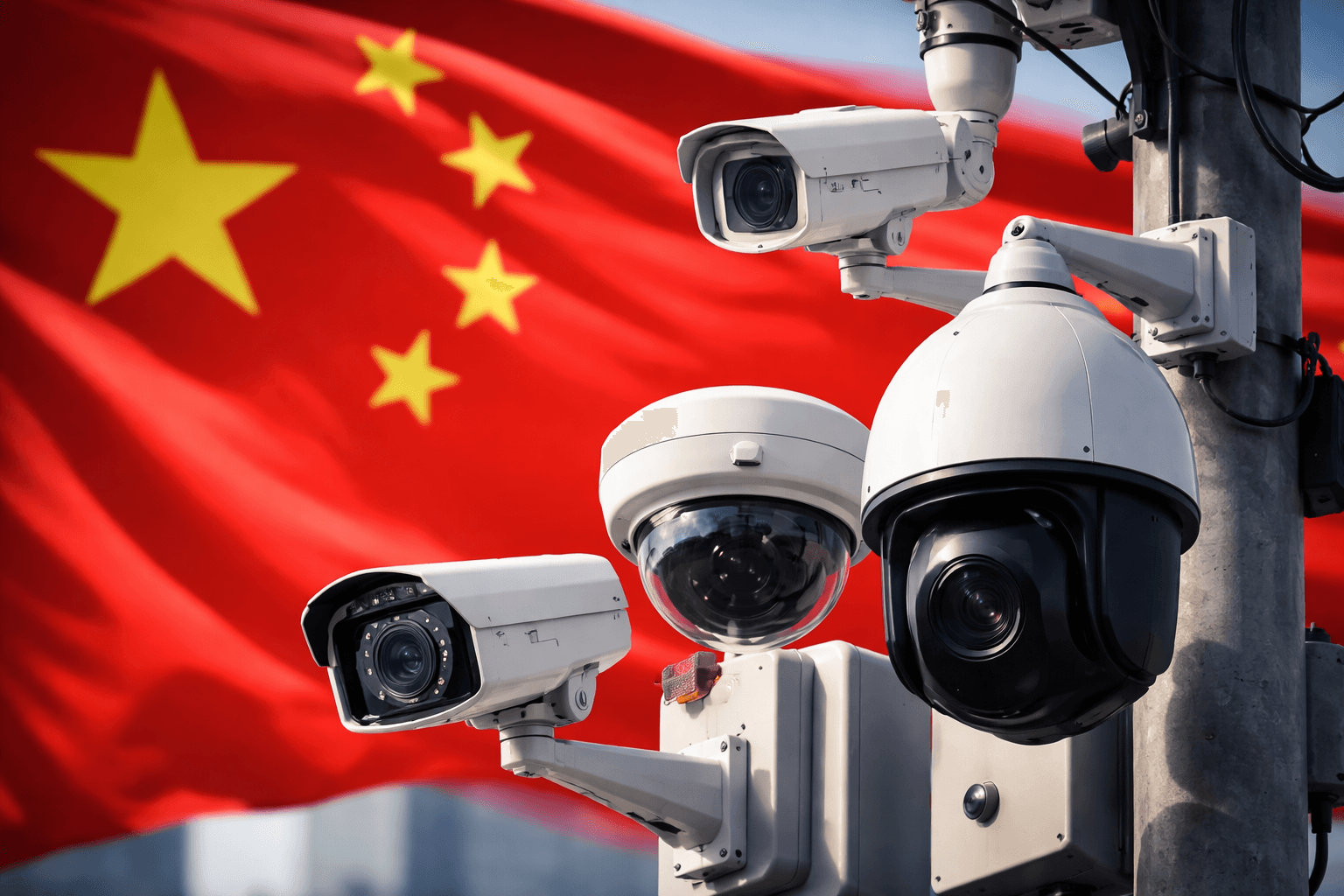
India is preparing a decisive move in its security policy. The India ban Chinese CCTV decision signals a shift in how the country manages surveillance infrastructure. This move targets major Chinese brands like Hikvision, Dahua Technology, and TP-Link.
The timing is critical. The government aims to strengthen national security while reshaping the domestic surveillance market.
What Is Driving the Ban?
The primary concern is national security. Authorities fear that foreign-made surveillance systems could expose sensitive data. These risks include unauthorized data access and potential remote surveillance vulnerabilities.
India has already tightened rules for telecom and digital infrastructure. Now, surveillance systems face similar scrutiny. CCTV cameras are no longer just security tools. They are data collection devices.
Moreover, the government wants stricter control over devices used in public and strategic locations. This includes government buildings, transport hubs, and defense-linked facilities.
Rising Scrutiny on Chinese Tech
India’s concerns are not new. Since border tensions and global cybersecurity risks increased, Chinese technology firms have faced growing restrictions.
Earlier actions included bans on mobile apps and tighter telecom regulations. The CCTV sector is the next logical step. These systems operate silently but capture vast amounts of visual data daily. In addition, global governments have already flagged companies like Hikvision and Dahua over security risks. India is aligning with this broader trend.
Key Developments and Timeline
Reports suggest that the ban could take effect from April 1. The restriction may apply to both sales and new installations. Existing systems may not be immediately removed. However, future procurement will likely exclude these brands.
The Indian government is also working on compliance rules. Companies may need security clearance before selling surveillance equipment. This indicates a shift from open market access to controlled entry.
Who Gains and Who Loses?
The Indian CCTV market is large and growing. Chinese brands currently dominate due to competitive pricing and wide distribution. With the India ban Chinese CCTV, this dominance could weaken quickly. Domestic manufacturers stand to benefit. Indian firms may see increased demand as government and private buyers shift suppliers.
At the same time, global non-Chinese players could expand their presence. However, pricing may rise in the short term due to reduced competition. For businesses, the transition may increase costs. Yet, it also creates opportunities for innovation and local production.
Strategic Implications for India
This move goes beyond security. It aligns with India’s push for self-reliance in technology. The government is encouraging domestic manufacturing under initiatives like Make in India. Surveillance technology now becomes part of that strategy.
Furthermore, tighter regulation ensures better control over data flows. This is crucial in an era where data is a strategic asset. However, execution will be key. Authorities must balance security with affordability and availability.
FAQ's
1. Why is India banning Chinese CCTV brands?
India aims to reduce security risks linked to data access and surveillance vulnerabilities from foreign devices.
2. Which companies are affected?
Major firms include Hikvision, Dahua Technology, and TP-Link.
3. When will the ban take effect?
Reports suggest implementation may begin from April 1, subject to official confirmation.
4. Will existing CCTV systems be removed?
Current systems may continue, but new purchases could face restrictions.
5. How will this impact the Indian market?
Domestic manufacturers may gain market share, while prices could rise temporarily due to reduced competition.
Topics
Covering startup news, AI, technology, and business at ThePrimely. Delivering accurate, in-depth reporting on the stories that shape the future.