
Historic Sunday Union Budget 2026 What It Means for India
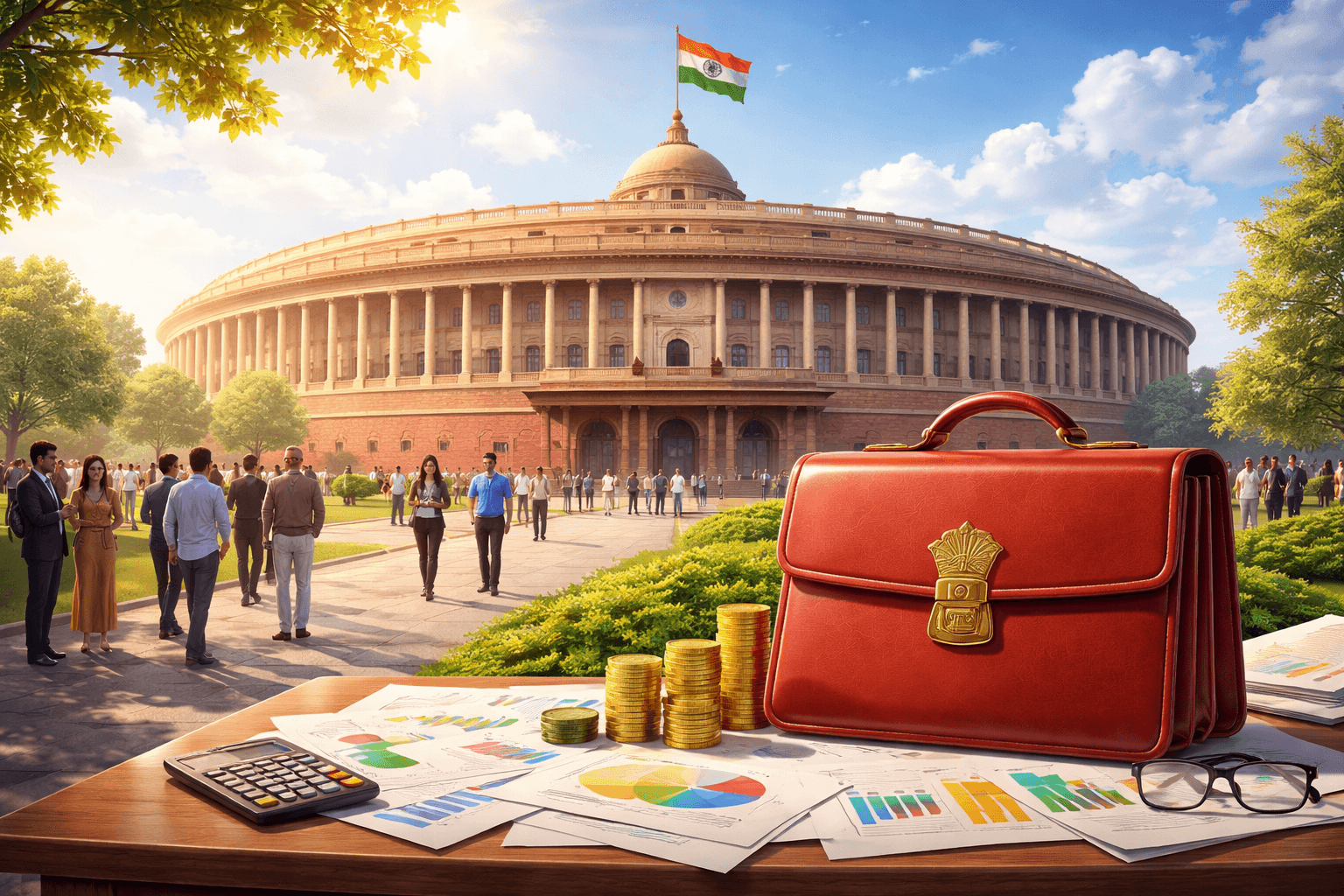
For the first time in independent India history, the Union Budget 2026 was presented on a Sunday. This single change may appear symbolic, yet it reflects a deeper shift in how fiscal governance is evolving in India.
Traditionally, the Union Budget has followed a strict weekday ritual, aligned with parliamentary schedules and market rhythms. The decision to move it to a Sunday signals flexibility, intent, and a recalibration of how the government engages with institutions, citizens, and global observers.
This blog explains why the Union Budget 2026 was scheduled on a Sunday, what it reveals about India administrative priorities, and why this moment matters beyond symbolism.
Why Was the Union Budget 2026 Presented on a Sunday
The Sunday presentation was not accidental. It was a strategic decision shaped by logistics, parliamentary planning, and a changing governance mindset.
By choosing a non working day, the government created uninterrupted parliamentary focus. Ministers, officials, and lawmakers were able to engage fully without the pressure of parallel administrative duties.
Another reason lies in communication. A Sunday budget allows citizens, analysts, and institutions to absorb announcements without weekday distractions. It sets the tone for deeper public engagement before markets and offices resume activity.
This approach reflects a growing emphasis on clarity, accessibility, and structured rollout of national priorities.
Has India Presented Budgets on Sundays Before?
While interim budgets and special announcements have occurred on varied dates, a full Union Budget being presented on a Sunday is unprecedented in independent India fiscal history.
This departure highlights how modern governance is no longer bound by convention alone. Instead, it prioritizes impact, timing, and public reach.
What This Shift Signals About India Governance Style
The Sunday budget reflects three important changes in India fiscal approach.
First, governance is becoming outcome focused rather than calendar driven. Decisions are shaped by effectiveness, not tradition.
Second, it shows confidence in institutional readiness. Presenting a budget outside routine schedules requires administrative coordination and clarity of execution.
Third, it positions the budget as a national moment rather than a market event. Citizens, not just investors, become the primary audience.
This shift aligns with India broader move toward transparency and inclusive policy communication.
What Budget 2026 Focuses On Beyond Numbers
Union Budget 2026 places strong emphasis on long term national direction rather than short term announcements.
Key thematic priorities include infrastructure continuity, employment generation, digital public systems, manufacturing growth, and social sector strengthening.
Instead of headline driven declarations, the budget reinforces policy consistency. It signals that India fiscal planning is moving toward stability, predictability, and execution.
This approach builds trust among domestic stakeholders and international partners alike.
Why the Sunday Budget Matters for the Future
The importance of Union Budget 2026 lies not only in its content but also in how it was delivered.
It sets a precedent for flexibility in parliamentary functioning. It demonstrates confidence in governance systems. Most importantly, it reframes the budget as a collective national conversation rather than a procedural formality.
As India economy grows more complex, such adaptive decisions become essential.
Topics
Covering startup news, AI, technology, and business at ThePrimely. Delivering accurate, in-depth reporting on the stories that shape the future.