
Anupam Mittal Career Advice for Gen Z Professionals in 2026
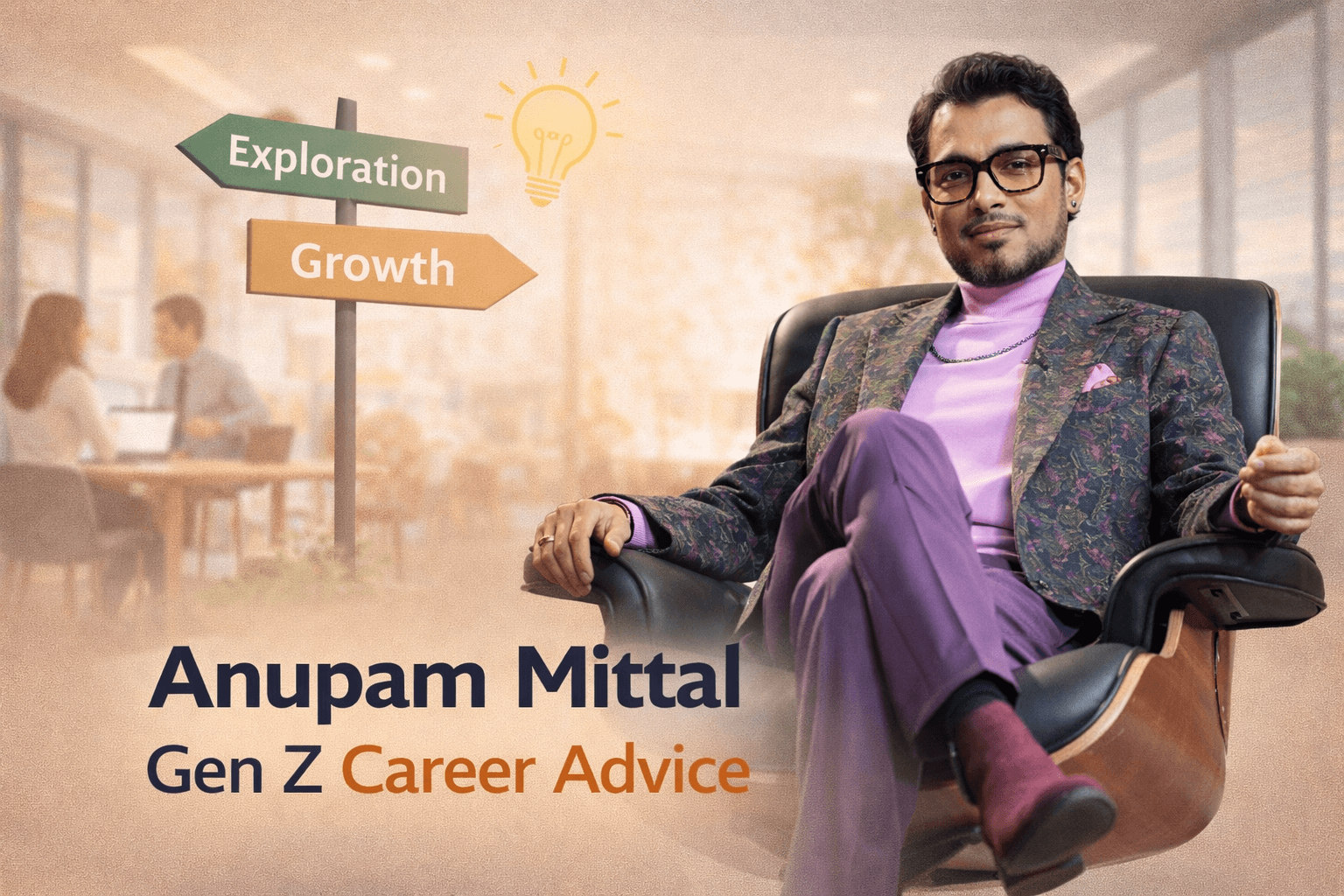
In 2026 a buzzing discussion emerged about career paths and workplace norms as entrepreneur and Shark Tank India judge Anupam Mittal shared a refreshingly honest take on how young professionals should think about work. Rather than shaming Gen Z for frequent job moves many career gurus call job hopping Mittal reframed early career shifts as a natural phase of exploration and laid out a strategy that balances discovery with long term growth.
This blog explores that perspective in depth and translates it into a practical roadmap for today’s young workforce and future talent leaders.
Stop Shaming Gen Z for Job Switching
Anupam Mittal took to social platforms to challenge a common criticism: that Gen Z moves jobs too often and lacks loyalty. Mittal argued that in the early stages of a career young professionals are still trying to figure out what suits them best much like exploring different interests before committing to one.
His core message:
➡️ Frequent job changes in early career are not a flaw.
➡️ They can be intentional exploration and a learning phase.
He said this phase is like “dating” you are trying roles team cultures and industries until you find a match that feels right.
This idea resonates with broader shifts in the world of work. Today’s young talent values personal fit continuous learning and meaningful engagement over staying in one role only for stability’s sake.
A Strategic Career Blueprint for Gen Z
Mittal offered a nuanced two stage approach that balances exploration with stability:
✨ Phase One: Exploration and Discovery
- Focus on gaining exposure to different roles industries and teams
- Seek learning opportunities not just paychecks
- Treat early switches as intentional exploration
- Understand your strengths interests and work style
This stage is about movement and learning, not drifting. It is meant to help young professionals find where they can contribute best.
📈 Phase Two: Focused Commitment
Once you identify your real professional interest and core strengths Mittal suggests:
- Invest deeper in one industry or role
- Stay long enough to gain mastery and deliver meaningful impact
- Build a track record of growth and results
This phase is where careers get traction. Long term commitment shows employers that you can solve big problems persist through challenges and grow with purpose.
Why This Perspective Matters Now
Mittal’s advice struck a chord because it reflects a broader shift in workplace culture:
- Gen Z values purpose over paycheck
- They seek work life balance and flexibility
- They want opportunities where learning feels natural
- They are not afraid to pivot when a situation doesn’t fit
These traits used to be dismissed as lack of loyalty but are now understood as adaptability and self awareness essential traits in a fast changing economy.
What Employers Can Learn Too
This is not advice only for young talent. Employers and talent leaders can also take note:
✅ Shift From Tenure to Contribution
Instead of penalizing short tenures look at the value a person brought
This might include skills learned collaborative impact and cross functional experience.
✅ Give Early Career Talent Exposure
Young professionals thrive on varied challenges. Employers who offer rotational programs mentorship and visible growth paths retain talent longer.
✅ Focus on Role Fit and Purpose
People stay where they feel valued and aligned. Purpose driven workplaces win long term talent loyalty.
Mittal’s insights are useful for HR leaders and managers who want to build workplaces that honor growth not just seniority.
Balancing Exploration With Long Term Growth
Mittal is clear: exploration should not become perpetual jumping from one job to another without reflection. There is value in staying long enough to:
- Deepen skills
- Build meaningful networks
- Own measurable impact
- Drive innovation and leadership
He often says that by your mid to late twenties you should start moving into longer stretches in your chosen career direction.
This viewpoint reduces anxiety for early career professionals while reinforcing that long term stability does matter after a certain phase.
Key Takeaways for Career Success in 2026
Here is a modern career strategy based on Mittal’s advice:
🔹 Use early job shifts to explore learning opportunities
🔹 Find roles where you can grow skills not just title
🔹 Transition to commitment when you find focus sectors
🔹 Build depth before chasing breadth in career resumes
🔹 Collaborate with mentors and managers to map growth paths
🔹 Communicate career decisions with clarity and intent
This blend of exploration and commitment helps young professionals build career narratives that are both meaningful and impactful.
Topics
Covering startup news, AI, technology, and business at ThePrimely. Delivering accurate, in-depth reporting on the stories that shape the future.