
Air India Pulls Back Global Routes as Operational Strain Deepens
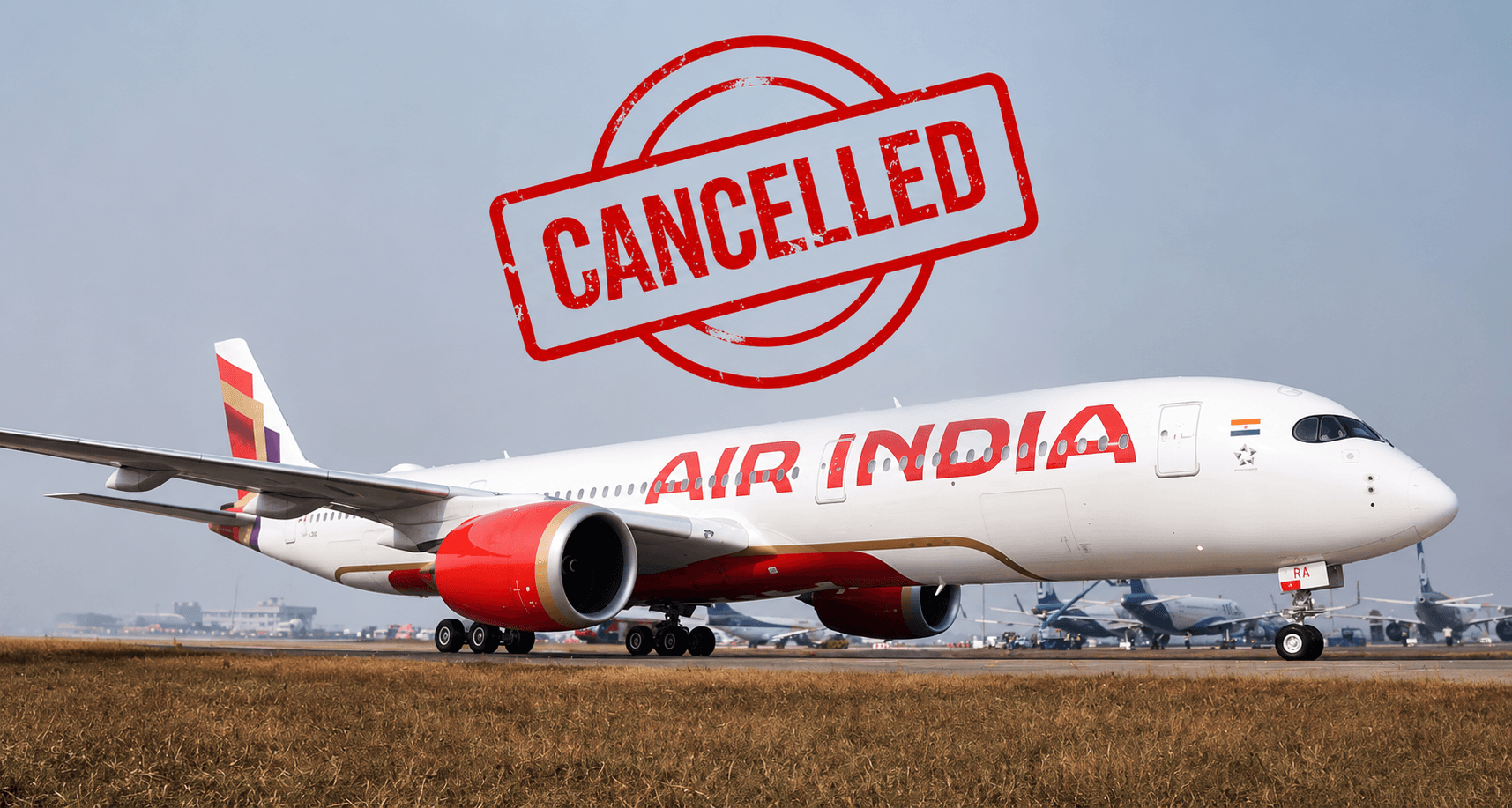
Air India has sharply reduced its international operations for the next three months. The airline suspended multiple routes and trimmed frequencies across major global destinations. The move affects services to North America, Europe, Asia, and the Middle East.
The decision marks one of Air India’s biggest international schedule revisions in recent years. It also signals growing operational pressure inside India’s flagship carrier as it attempts to modernize its fleet and stabilize long haul operations.
Why Air India Reduced International Flights
Air India confirmed that the temporary cuts will remain in place from June through August 2026. The airline cited aircraft availability constraints, maintenance requirements, and network optimization as key reasons behind the changes. Several Boeing aircraft reportedly remain unavailable due to ongoing maintenance and retrofit programs. In addition, global supply chain delays continue to impact spare parts and engine availability across the aviation industry.
As a result, Air India decided to reduce pressure on its network instead of risking repeated disruptions and delays during the busy travel season.
Routes Facing Suspension and Frequency Cuts
Air India suspended select flights connecting India with Chicago, Shanghai, Singapore, Dhaka, and Malé. The airline also reduced frequencies on several routes to Europe and North America. Reports indicate that nearly 400 international flights per month may remain affected
during the three month adjustment period. The reductions cover both direct cancellations and schedule rationalization across major hubs.
Importantly, Air India has not announced a permanent withdrawal from these markets. Instead, the airline described the move as a temporary operational correction.
Operational Stability Takes Priority
The restructuring reflects a broader shift inside Air India. The airline now appears more focused on reliability than aggressive expansion. Over the past two years, Air India announced ambitious fleet orders and international growth plans after the Tata Group takeover. However, rapid expansion also increased operational complexity.
Now, management seems determined to protect on time performance and passenger confidence. Reducing overloaded schedules may help the airline avoid larger disruptions during peak demand months. This strategy also aligns with global airline trends. Several international carriers have trimmed routes in recent years due to aircraft shortages and maintenance bottlenecks.
Impact on Passengers and International Travel
Passengers flying on affected routes may face rescheduling, longer layovers, or limited seat availability. Some travelers could shift toward competing airlines operating similar routes from India. At the same time, reduced capacity may increase ticket prices on key international sectors during the summer travel period.
Business travelers and students heading to North America and Southeast Asia may feel the impact most strongly. Chicago and Singapore routes, in particular, remain strategically important for Indian international traffic. Air India stated that affected passengers would receive alternate travel options or refunds based on ticket conditions.
What This Means for Air India’s Global Ambitions
The airline’s long term international strategy remains intact. Air India continues to invest heavily in fleet modernization, cabin upgrades, and network expansion. However, the latest cuts highlight the challenge of transforming a legacy airline while maintaining operational consistency.
Aircraft induction delays and maintenance pressures have become a global aviation problem. Even large international carriers continue to struggle with fleet shortages after the pandemic recovery phase. For Air India, the coming months will test whether temporary reductions can strengthen long term operational discipline.
Industry Signals Behind the Decision
The broader aviation market offers important context. Demand for international travel from India remains strong. Yet airlines worldwide face limited aircraft supply and rising maintenance turnaround times.
Therefore, Air India’s move may represent a strategic pause rather than a retreat. The success of this approach will depend on how quickly aircraft availability improves and whether passenger trust remains stable during the adjustment period.
Air India’s international flight reductions reveal the difficult balance between expansion and operational control. The airline is attempting to stabilize its network while navigating fleet shortages and maintenance delays. The next phase for Air India will depend on execution. If the airline restores capacity smoothly and improves service consistency, this temporary pullback could strengthen its position in global aviation.
FAQ
Why is Air India cancelling international flights?
Air India cited aircraft shortages, maintenance requirements, and operational optimization as the primary reasons for temporary international flight reductions.
How long will the Air India flight cuts continue?
The current schedule reductions are expected to remain in effect from June to August 2026.
Which Air India routes are affected?
Flights to destinations including Chicago, Shanghai, Singapore, Dhaka, and Malé have been suspended or reduced temporarily.
Will Air India permanently stop these routes?
No. The airline described the changes as temporary operational adjustments rather than permanent route closures.
How many flights are impacted?
Reports suggest around 400 international flights per month may face cancellation or reduced frequency during the adjustment period.
What should affected passengers do?
Passengers should check updated schedules directly with Air India and review refund or rebooking options for affected flights.
Topics
Covering startup news, AI, technology, and business at ThePrimely. Delivering accurate, in-depth reporting on the stories that shape the future.