
AI Viksit Bharat Impact: IMF Sees Big Growth Potential for India
AI Viksit Bharat Impact Can Help India Achieve Developed-Nation Goal: IMF
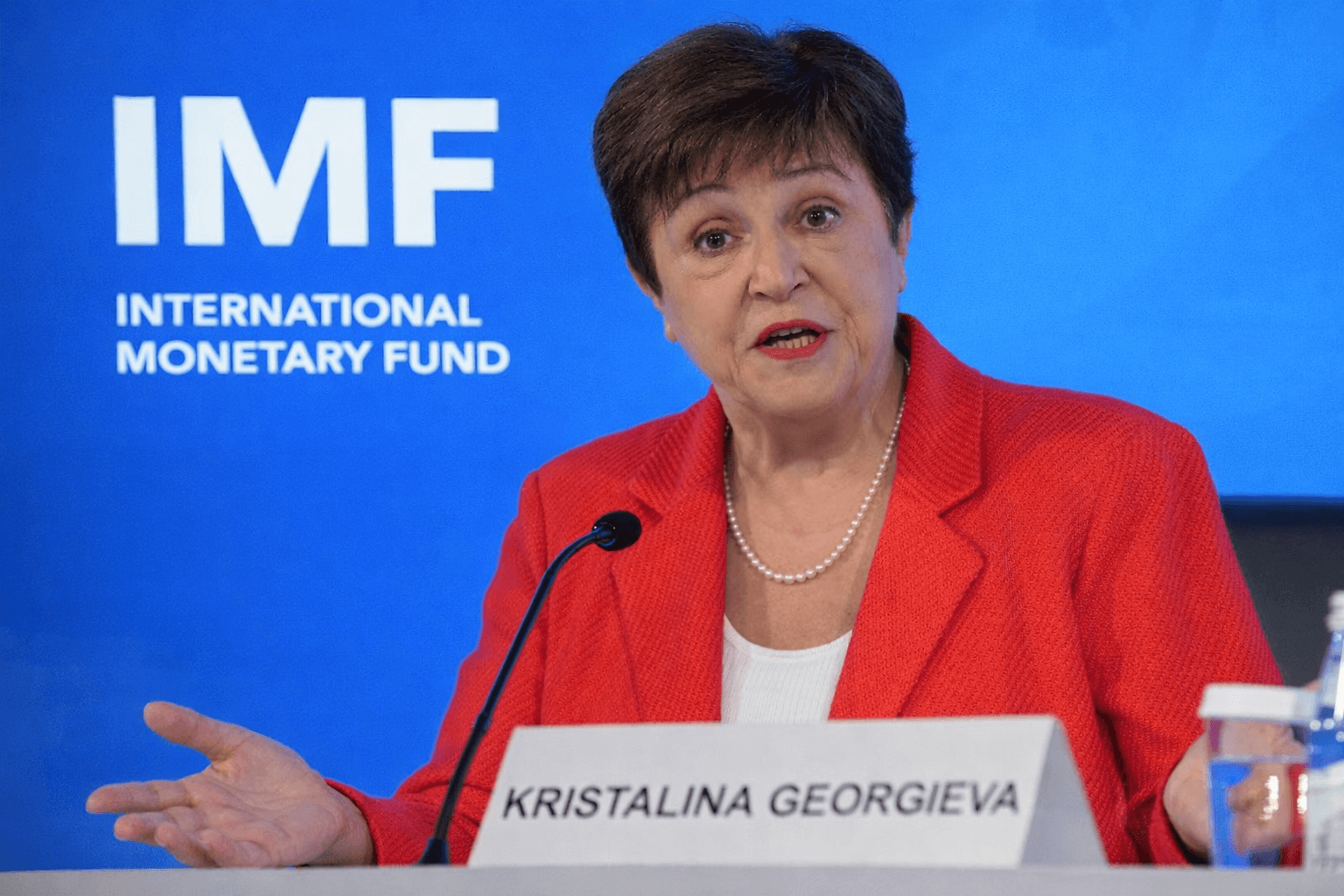
The AI Viksit Bharat impact could play a decisive role in helping India achieve its developed-nation ambition, International Monetary Fund Managing Director Kristalina Georgieva said on Thursday. She stressed that artificial intelligence can lift productivity and growth if paired with the right policies.
She made the remarks while addressing the India AI Impact Summit in New Delhi, where policymakers, economists and technology leaders discussed AI’s economic and social consequences.
AI Viksit Bharat impact on growth and productivity
Georgieva said artificial intelligence could raise global economic growth by up to 0.8 percentage points annually. For a fast-growing economy like India, this upside could be significant.
Moreover, she noted that AI adoption can improve efficiency across sectors such as healthcare, agriculture, education and public administration. For example, AI can support early disease detection, precision farming and faster delivery of public services.
Therefore, the AI Viksit Bharat impact extends beyond technology firms. It could reshape how the wider economy functions.
Jobs, disruption and policy balance
However, Georgieva cautioned that AI would disrupt labor markets. While it creates new opportunities, it can also displace routine and repetitive jobs.
She urged governments to invest in reskilling, education and social safety nets. According to her, inclusive policies are essential to ensure that productivity gains translate into shared prosperity.
At the same time, she highlighted India’s demographic advantage. A young workforce and expanding digital infrastructure give the country a strong base to absorb technological change.
India’s AI readiness in a global context
Georgieva compared AI’s rise to earlier transformative technologies such as railways and electricity. However, she said AI’s impact will unfold much faster.
Meanwhile, she stressed the importance of global cooperation on AI governance. Countries must align on safety standards, ethical use and transparency to prevent misuse and inequality.
In this context, the AI Viksit Bharat impact depends not only on adoption speed but also on regulatory foresight.
What Viksit Bharat aims to achieve
The Viksit Bharat vision focuses on transforming India into a developed economy by 2047. It includes goals related to income levels, infrastructure, innovation and human capital.
Experts say AI can support these objectives by boosting manufacturing efficiency, expanding digital public infrastructure and improving service delivery. However, they caution that gaps in skills and infrastructure must be addressed in parallel.
Why the IMF message matters
Georgieva’s remarks reinforce a growing global consensus. AI can drive growth, but unmanaged disruption could widen inequality.
Consequently, the IMF sees AI not as an automatic solution but as a powerful tool. Its success depends on how governments shape adoption, regulation and workforce transition.
For India, the AI Viksit Bharat impact represents both opportunity and responsibility.
Topics
Covering startup news, AI, technology, and business at ThePrimely. Delivering accurate, in-depth reporting on the stories that shape the future.