
Aadhaar App Preload Pushback Signals Policy and Privacy Debate
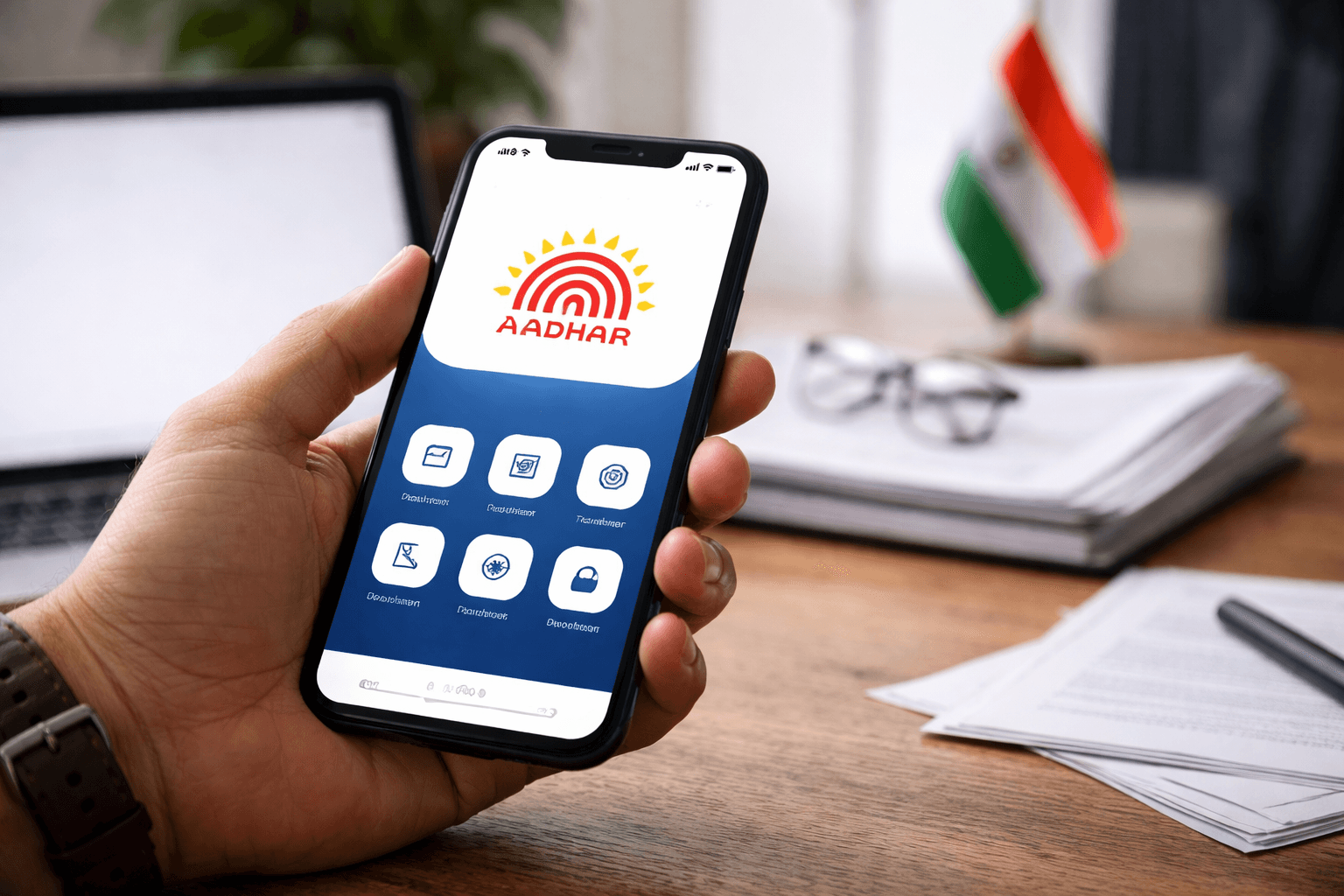
The Indian government’s proposal to preload the Aadhaar app on smartphones has triggered strong resistance from global technology companies. What was positioned as a move to improve accessibility has instead opened a broader debate around privacy, cost, and regulatory overreach.
The Proposal and Its Intended Purpose
In January 2026, the Unique Identification Authority of India (UIDAI) proposed that smartphone manufacturers consider pre-installing the Aadhaar app on devices sold in the country. The objective was to ensure that users could access Aadhaar services without needing to download the application separately.
Aadhaar, which covers over 1.34 billion residents, serves as a foundational digital identity system used across banking, telecommunications, and public services.
Why the Industry Pushed Back
The proposal was met with immediate resistance from major smartphone manufacturers, including Apple, Samsung, and Google. Industry bodies such as the Manufacturers’ Association for Information Technology (MAIT) raised concerns about both operational and structural challenges.
One key issue is cost. Pre-installing a government app would require manufacturers to create separate production lines for India, increasing complexity and expenses.
There are also concerns about device performance and user experience. Preloaded applications can affect system efficiency, particularly if they are not optimized across all devices.
More importantly, privacy and security concerns have played a central role in the pushback. Aadhaar has faced criticism in the past due to data leak incidents involving sensitive user information.
Privacy and Regulatory Concerns
The Aadhaar app preload pushback is not only a technical issue. It reflects deeper concerns about digital rights and user control.
Industry representatives and digital rights groups argue that mandatory or default pre-installation could limit user choice. Critics see it as a step toward greater control over how smartphones are configured and used.
This concern is reinforced by past controversies. In late 2025, a government mandate to preload the Sanchar Saathi app was withdrawn after widespread backlash from companies and civil society.
Global Context and Industry Standards
Globally, mandatory pre-installation of government apps is rare. Industry representatives have pointed out that very few countries follow such a model, with Russia often cited as an exception.
In most markets, governments focus on regulation rather than direct integration into consumer devices. This approach preserves flexibility for both users and manufacturers.
India’s proposal therefore represents a different model, where digital governance extends into device-level integration.
Topics
Covering startup news, AI, technology, and business at ThePrimely. Delivering accurate, in-depth reporting on the stories that shape the future.