
US to Host Self-Driving Safety Forum With Waymo, Zoox and Aurora CEOs
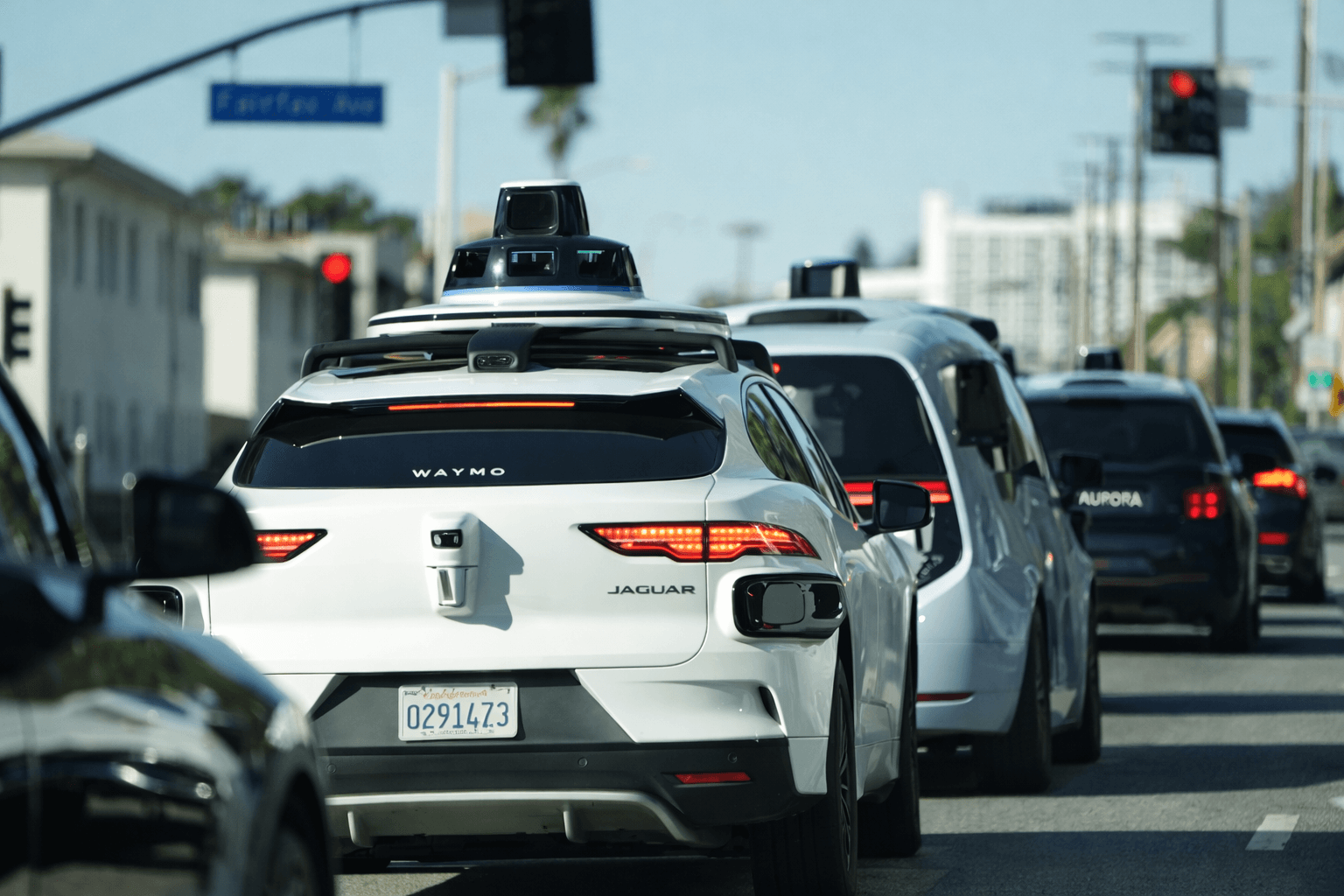
The United States is stepping up regulatory engagement with the rapidly evolving autonomous vehicle industry. The US self driving safety forum scheduled this week will bring together top executives from leading robotaxi companies and federal regulators to discuss safety standards and deployment challenges.
The meeting, organized by the National Highway Traffic Safety Administration (NHTSA), will include the chief executives of Waymo, Zoox, and Aurora. The forum reflects increasing government attention on how autonomous vehicles operate on public roads while maintaining safety and regulatory compliance.
As the industry transitions from pilot programs to large-scale deployment, regulators are seeking closer collaboration with technology companies.
US Self Driving Safety Forum: Purpose and Agenda
The US self driving safety forum aims to examine how autonomous vehicle technology can expand while maintaining strict safety oversight.
The discussion will involve senior leaders from major robotaxi developers, including:
- Tekedra Mawakana, co-CEO of Waymo
- Aicha Evans, CEO of Zoox
- Chris Urmson, CEO of Aurora
These executives will participate in discussions with federal officials about safety standards, regulatory barriers, and operational performance of driverless vehicles.
The forum is expected to address issues such as remote assistance systems, vehicle monitoring, and real-world deployment risks.
Growing Deployment of Robotaxis
The forum comes at a pivotal moment for the autonomous vehicle industry.
Companies are increasingly moving from testing phases toward commercial operations in several US cities. Waymo, one of the industry leaders, has already logged more than 200 million autonomous miles and currently provides around 400,000 robotaxi rides per week across multiple cities.
These developments signal that autonomous driving technology is entering mainstream urban transportation.
However, widespread deployment also raises new regulatory and safety questions.
Safety Concerns Driving Regulatory Action
Federal regulators are intensifying scrutiny of self-driving technology following several incidents involving robotaxis.
Investigations have examined issues such as:
- Autonomous vehicles passing stopped school buses
- Collisions involving driverless cars
- Unexpected driving behavior in complex traffic conditions
Recent investigations into Waymo robotaxis included incidents where vehicles illegally passed stopped school buses in Texas, prompting safety reviews and software updates.
Such incidents highlight the challenges of ensuring that artificial intelligence can safely interpret unpredictable real-world driving situations.
Policy Momentum in Washington
The upcoming safety forum also reflects broader policy debates in Washington over autonomous vehicle regulation.
US lawmakers are considering legislation that could accelerate the deployment of fully autonomous vehicles, including models that operate without steering wheels or pedals.
At the same time, regulators are attempting to ensure that safety oversight keeps pace with rapid technological innovation.
NHTSA officials have emphasized the need to balance industry growth with public safety as autonomous driving systems move closer to widespread adoption.
Strategic Implications for the Autonomous Vehicle Industry
The US self driving safety forum represents an important milestone in the evolving relationship between regulators and technology companies.
For industry leaders such as Waymo, Zoox, and Aurora, the meeting provides an opportunity to demonstrate safety improvements and address regulatory concerns.
For policymakers, the forum allows closer evaluation of how autonomous driving systems perform in real-world conditions.
The outcome of these discussions could influence future federal guidelines governing robotaxis and other autonomous mobility services.
Topics
Covering startup news, AI, technology, and business at ThePrimely. Delivering accurate, in-depth reporting on the stories that shape the future.