
Ratan Tata Timeline: Building a Global Empire
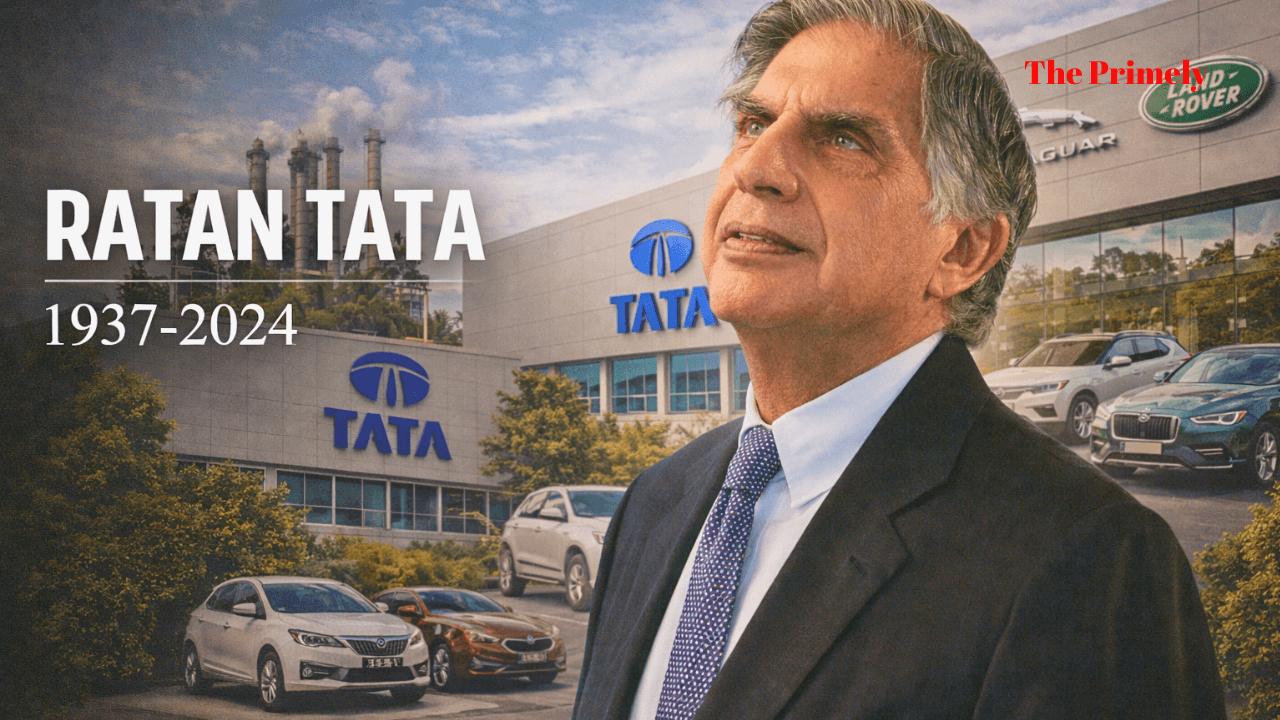
The Ratan Tata timeline reflects one of the most influential journeys in Indian business history. His career spans decades of transformation, both for himself and for the Tata Group. He began from modest operational roles and rose to lead a global conglomerate. His leadership came at a time when India’s economy was opening to the world. This made his decisions not just corporate moves, but also nationally significant milestones.
Ratan Tata was born in 1937 in Mumbai into the Tata family, a well-known business lineage. He pursued architecture at Cornell University and later attended Harvard for advanced management training. These experiences helped shape his global business perspective early in life. Unlike many heirs, he did not immediately assume leadership roles. Instead, he built his foundation through learning and exposure.

He joined the Tata Group in 1962, starting his career on the shop floor at Tata Steel. This hands-on experience gave him a deep understanding of industrial operations. Over time, he moved into leadership positions within various group companies. His early career was marked by patience and gradual growth. This approach later influenced his management style as a leader.
In 1991, he became chairman of the Tata Group, succeeding JRD Tata. This marked the beginning of a major transformation for the company. India was opening its economy, and Tata had to adapt to global competition.

He streamlined operations and strengthened group structure. His leadership set the stage for a more modern and competitive organization.
The most defining phase of the Ratan Tata timeline was the global expansion of the group. Under his leadership, Tata acquired major international companies. These included Tetley, Corus, and Jaguar Land Rover. These acquisitions expanded the company’s global presence significantly. They transformed Tata into an internationally recognized business group.
Ratan Tata also focused on innovation and accessibility in business. One of his most ambitious projects was the Tata Nano. The idea was to create an affordable car for Indian families. While the project faced challenges, it reflected his vision. His approach combined business growth with social impact.
He stepped down as chairman in 2012 after more than two decades of leadership. However, he remained involved as a guiding figure within the group. He returned briefly in 2016 as interim chairman during a transition period. Even after retirement, he actively invested in startups. His influence continued beyond formal leadership roles.
The Ratan Tata timeline is closely linked with the global rise of the Tata Group. His leadership emphasized ethical business practices and long-term growth. He played a key role in shaping modern Indian industry. His contributions extended beyond business into philanthropy and innovation. He passed away in 2024, leaving behind a lasting legacy.
Topics
Covering startup news, AI, technology, and business at ThePrimely. Delivering accurate, in-depth reporting on the stories that shape the future.