
OpenAI and Oracle Cancel Texas AI Data Center Expansion
A Strategic Pause in the AI Infrastructure Race
The global race to build artificial intelligence infrastructure has reached a new turning point. OpenAI and Oracle have cancelled plans to expand a flagship AI data center campus in Texas. The decision affects a proposed 600 megawatt expansion near Abilene, a site already central to their massive computing strategy.
The move does not signal a retreat from artificial intelligence investments. Instead, it reflects a shift in how companies are deploying capital and computing resources. The broader partnership between the two companies continues, but the Texas expansion has been removed from their near term roadmap.
This development highlights a deeper reality. Building the physical backbone of artificial intelligence is proving more complex, expensive, and strategic than initially expected.
The OpenAI Oracle Texas Data Center Expansion Plan
The cancelled expansion was part of the ambitious Stargate initiative, one of the largest AI infrastructure projects ever announced.
The initiative aims to build up to 10 gigawatts of computing capacity and attract investments approaching 500 billion dollars in the United States. The project includes major partners such as OpenAI, Oracle, and SoftBank.
Within that framework, the Abilene campus in Texas became a flagship site.
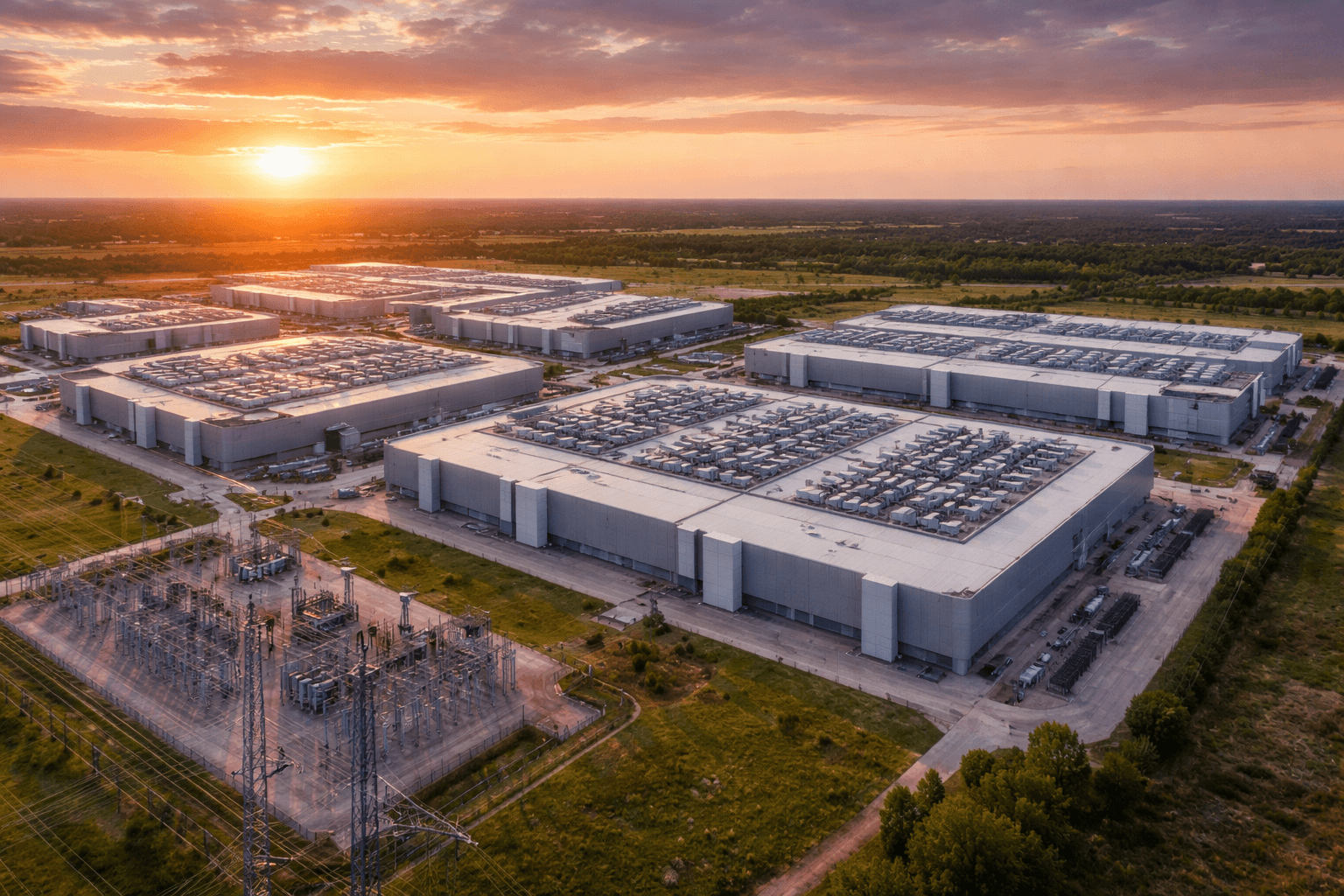
The campus already includes eight large data center buildings spread across roughly 1,000 acres. Some facilities are already operational and run on Oracle Cloud Infrastructure. Two of the buildings are currently active, providing computing power for advanced AI workloads.
The now cancelled expansion aimed to add an additional 600 megawatts of capacity near the existing campus.
However, that plan has now been formally abandoned.
Why the Expansion Was Scrapped
Financing and Strategic Alignment
Negotiations around the expansion stalled for months. Reports indicate disagreements over financing structures and project responsibilities.
OpenAI’s computing needs have also evolved rapidly. As AI models become larger and more efficient, infrastructure requirements shift as well. This likely influenced the decision to pause or redirect the investment.
Infrastructure and Operational Challenges
Building AI superclusters at this scale presents real constraints. Large facilities require enormous power supply, specialized cooling systems, and vast quantities of hardware.
These logistical challenges have slowed multiple AI infrastructure projects globally. As a result, companies are prioritizing locations where construction timelines and power availability are more predictable.
Capital Pressure in the AI Boom
The AI infrastructure boom demands unprecedented capital spending. Companies must invest billions before revenue materializes.
For Oracle, the financial pressure has become significant. The company has committed massive resources to AI infrastructure and related cloud expansion. Such commitments require careful prioritization of projects.
The Stargate Project Continues
Despite the Texas cancellation, the broader Stargate AI initiative remains active.
OpenAI and Oracle still plan to develop 4.5 gigawatts of additional data center capacity across multiple U.S. locations.
The Abilene campus itself will continue operating. The existing facilities remain part of Oracle’s cloud infrastructure and will continue serving OpenAI workloads.
Moreover, the capacity originally planned for the Texas expansion may be redirected to other data center campuses currently under development.
In short, the strategy has shifted rather than collapsed.
A New Opportunity for Other Tech Companies
The cancelled expansion has created an unexpected opening in the AI infrastructure market.
Reports suggest that Meta is exploring the possibility of leasing the unused site originally intended for the expansion. The discussions involve developer Crusoe, which is building the broader campus.
Meanwhile, Nvidia, the dominant supplier of AI chips, has reportedly played a role in facilitating discussions between potential tenants and the developer.
This development shows how competitive the AI infrastructure ecosystem has become. Even partially developed sites quickly attract interest from other technology companies.
Market Reaction and Investor Sentiment
The news triggered a modest reaction in financial markets.
Oracle’s shares briefly dropped around 1 percent during trading after reports confirmed the cancellation. The movement reflected investor caution around large scale AI capital spending.
However, analysts emphasize that the long term partnership between OpenAI and Oracle remains intact. The broader plan to build massive AI computing capacity across the United States continues.
For investors, the event highlights a broader theme. The AI infrastructure boom is real, but execution risks remain high.
Strategic Implications for the AI Industry
The cancellation offers several important signals for the technology sector.
AI Infrastructure Requires Flexible Strategy
Large AI campuses cannot rely on fixed plans. Companies must constantly adjust based on power availability, hardware supply, and demand for compute.
Capital Discipline Is Returning
After the initial rush into generative AI infrastructure, companies are now evaluating projects more carefully. Investments are becoming more targeted.
Competition for AI Compute Is Intensifying
Even as some projects slow down, demand for computing power remains enormous. Technology firms are competing aggressively for access to high performance data centers.
Future Outlook
The AI infrastructure race is still accelerating.
Demand for compute continues to rise as models grow larger and AI adoption spreads across industries. Companies will continue building massive data centers to support these systems.
However, the Texas cancellation demonstrates that execution matters as much as ambition. Infrastructure strategies must remain flexible.
OpenAI and Oracle still plan to deliver multiple gigawatts of computing capacity across the United States. The Abilene campus remains one of the most important AI clusters under development.
In the long run, the companies are not slowing down. They are refining how and where they build the next generation of AI infrastructure.
The decision to cancel the Texas expansion marks an important moment in the evolution of AI infrastructure.
OpenAI and Oracle are not stepping back from their ambitions. Instead, they are adjusting their strategy to match real world constraints around financing, power, and computing demand.
The broader Stargate initiative continues to move forward. New campuses across the United States are expected to deliver massive computing capacity in the coming years.
For the technology industry, the message is clear. Artificial intelligence will require enormous infrastructure, but building it will demand careful planning, disciplined investment, and strategic flexibility.
Topics
Covering startup news, AI, technology, and business at ThePrimely. Delivering accurate, in-depth reporting on the stories that shape the future.