
Markets Shift to Rate Hike Expectations
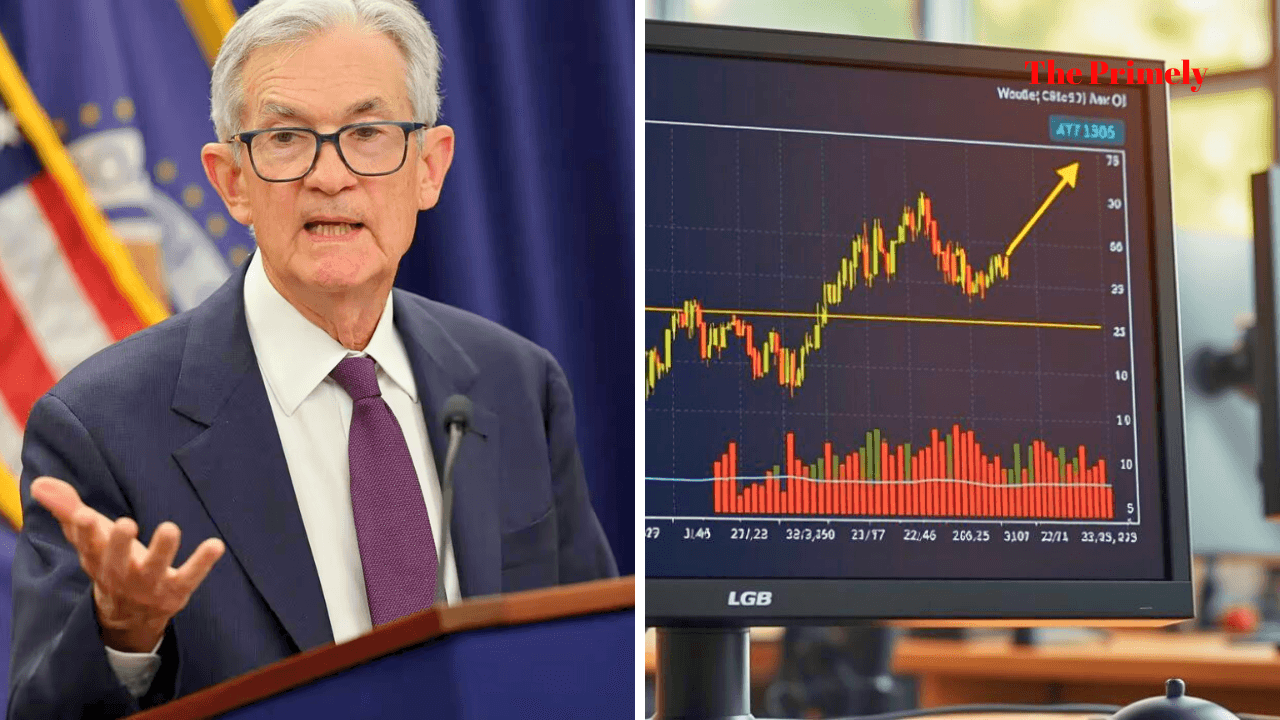
The global financial landscape is undergoing a sharp shift as investors move away from expectations of interest rate cuts and begin pricing in potential increases. The rate hike expectations 2026 trend reflects growing concern over inflation and geopolitical instability.
This change marks a significant reversal from earlier projections, when markets anticipated a gradual easing cycle by central banks.
From Rate Cuts to Rate Hikes
Just weeks ago, investors expected multiple rate cuts during 2026. However, recent developments have forced a reassessment.
Market pricing now suggests a reduced likelihood of rate cuts and even a rising probability of rate hikes, particularly in the United States.
This shift highlights how quickly economic expectations can change in response to external shocks.
Inflation Fears Driving the Change
A key factor behind the shift is renewed concern about inflation. Rising oil prices and supply disruptions have increased the risk of sustained price pressures.
Energy costs, in particular, are feeding into broader inflation expectations, making it harder for central banks to achieve their targets.
At the same time, recent data suggests that inflation remains above desired levels, reinforcing the need for caution in monetary policy.
Geopolitics Reshaping Economic Outlook
Geopolitical tensions, especially in energy-producing regions, are playing a central role in reshaping market expectations.
Disruptions to key supply routes and uncertainty around global trade have added to volatility. These developments are forcing investors to reconsider assumptions about growth, inflation, and policy direction.
The result is a more uncertain and reactive policy environment.
Bond Markets Signal Policy Shift
Bond markets have responded quickly to these changes. Short-term yields, which closely track interest rate expectations, have risen significantly.
In some cases, yields are now above current policy rates, indicating that markets expect tighter monetary conditions ahead.
This movement reflects growing confidence that central banks may need to maintain or increase rates to control inflation.
Central Banks Face a Complex Dilemma
The shift in expectations presents a difficult challenge for policymakers. On one hand, rising inflation may require tighter policy. On the other, aggressive rate hikes could slow economic growth.
Central banks must balance these competing risks while responding to rapidly changing global conditions.
Topics
Covering startup news, AI, technology, and business at ThePrimely. Delivering accurate, in-depth reporting on the stories that shape the future.