
Israel Iran Operation Ground Troops Unlikely: Strategic Stance Amid Escalation
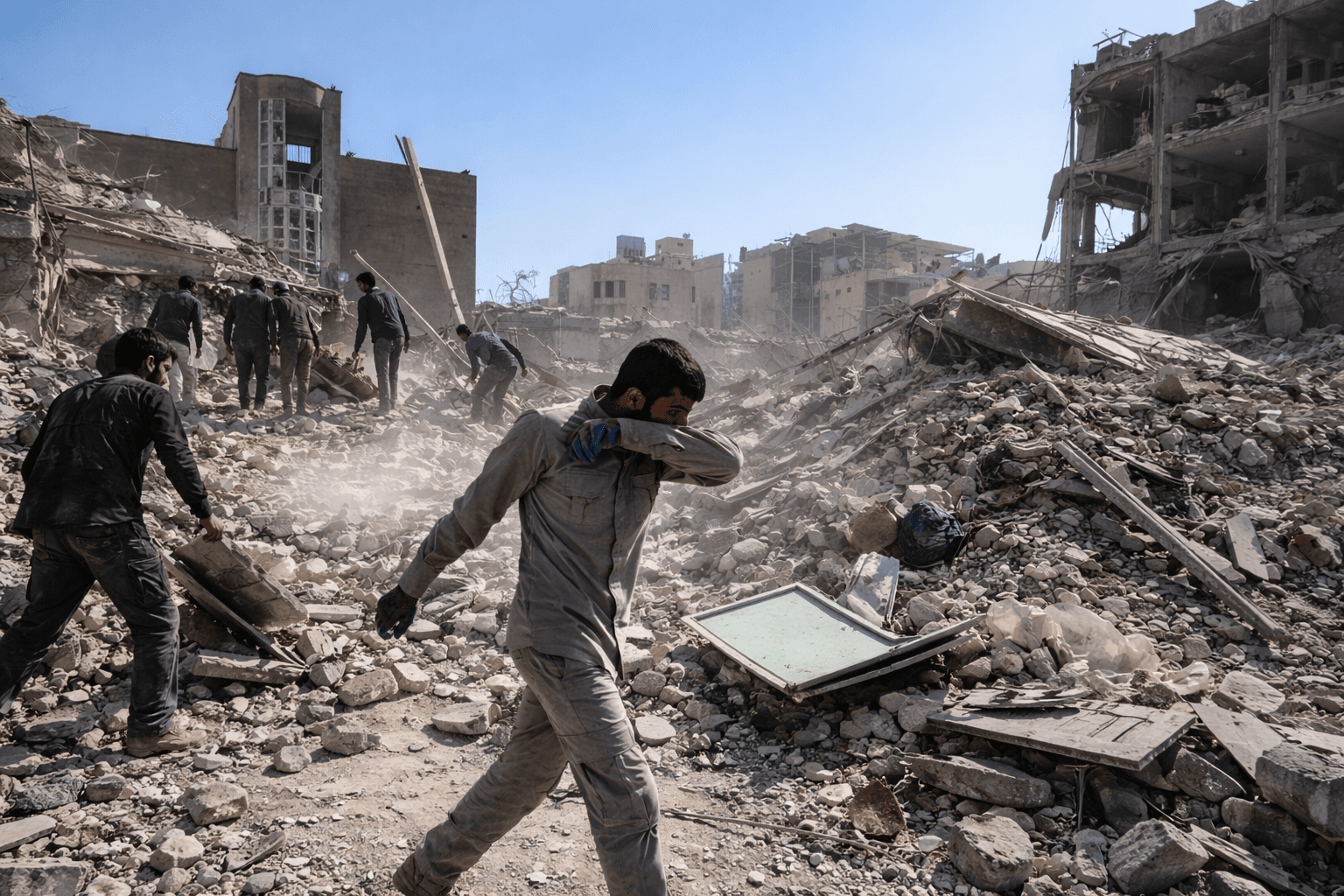
Israel’s military leadership has signaled that while it is prepared for a multi-week campaign against Iran, the deployment of ground forces into Iranian territory remains unlikely. The comments, made by Israeli military spokesperson Lieutenant Colonel Nadav Shoshani during a public briefing, provide insight into the evolving strategy in the widening Middle East conflict.
This stance comes amidst a broader joint U.S.-Israeli military campaign against Iranian targets, launched after years of rising tensions and confirmed by Reuters coverage of recent developments.
Israel’s spokesperson emphasized that air strikes and precision operations remain at the core of current military planning, while ground deployment is “not being pursued at this time.” This indicates a strategic choice to manage escalation while maintaining operational pressure.
Strategic Rationale Behind the Stance
The decision to forego large-scale ground deployment likely reflects multiple strategic considerations.
First, an air-dominated campaign reduces risks to Israeli forces and limits casualties, aligning with Israel’s defensive doctrine. Long-range strikes, combined with U.S. support, aim to degrade Iranian military capabilities without direct occupation.
Second, the geographical challenges and depth of Iranian territory make a conventional ground invasion costly and logistically complex. Unlike conflicts in Lebanon or Gaza, penetrating deep into Iran would require overwhelming force and extensive supply lines, increasing the likelihood of prolonged engagement beyond initial estimates.
Third, the global political environment places significant pressure on both Israel and its allies to limit direct ground involvement. An air-centric approach preserves strategic options while reducing international backlash.
You might Like this :- How Intelligence, Hackers and Networks Helped Track and Kill Iran’s Supreme Leader
The Multi-Week Campaign Framework
While ground forces are deemed unlikely, Israel remains poised for sustained operations. According to military briefings, the campaign could last for “several weeks,” with the exact duration contingent on battlefield developments.
This timeframe suggests a focus on air superiority, precision missile strikes, and disabling critical infrastructure rather than holding territory. A multi-week campaign aligns with goals to reduce Iranian offensive capabilities without crossing thresholds that might provoke broader regional escalation.
The presence of air power, long-range missiles, and advanced surveillance allows Israel to pressure key Iranian military assets while minimizing prolonged engagements on the ground.
Regional Escalation and Broader Risk
The conflict’s expansion has had ripple effects across the Middle East. In recent days, multiple actors have been drawn into heightened hostilities, including clashes with Hezbollah in Lebanon and Iranian proxy activity across Gulf states.
Iran has responded to attacks on its territory with missile and drone strikes aimed at U.S. and allied assets, underscoring the region-wide risks associated with the conflict’s escalation.
Despite these pressures, Israeli commanders remain steadfast in maintaining a calibrated approach — prioritizing air power while acknowledging that conditions on the ground could change. The evolving environment continues to defy easy predictions, but for now, the ground troop option remains off the immediate table.
Global and Diplomatic Implications
The choice to rely on aerial operations carries implications beyond the battlefield. Internationally, governments and analysts are watching closely as the conflict unfolds, particularly regarding:
- Global Energy Markets: Disruptions around key transport corridors such as the Strait of Hormuz have contributed to volatility in oil prices and shipping routes.
- Diplomatic Pressure: Nations are urging negotiation and restraint to prevent a wider regional war, with global capitals calling for de-escalation while recognizing the complex security dynamics involved.
- Regional Stability: Neighboring states are balancing diplomatic interests and security concerns, wary of spillover effects and extended combat.
These factors reinforce why Israel has chosen a less invasive military posture at this stage.
Topics
Covering startup news, AI, technology, and business at ThePrimely. Delivering accurate, in-depth reporting on the stories that shape the future.