
India Seeks ₹2.81 Lakh Crore Extra Spending for FY26 Subsidies
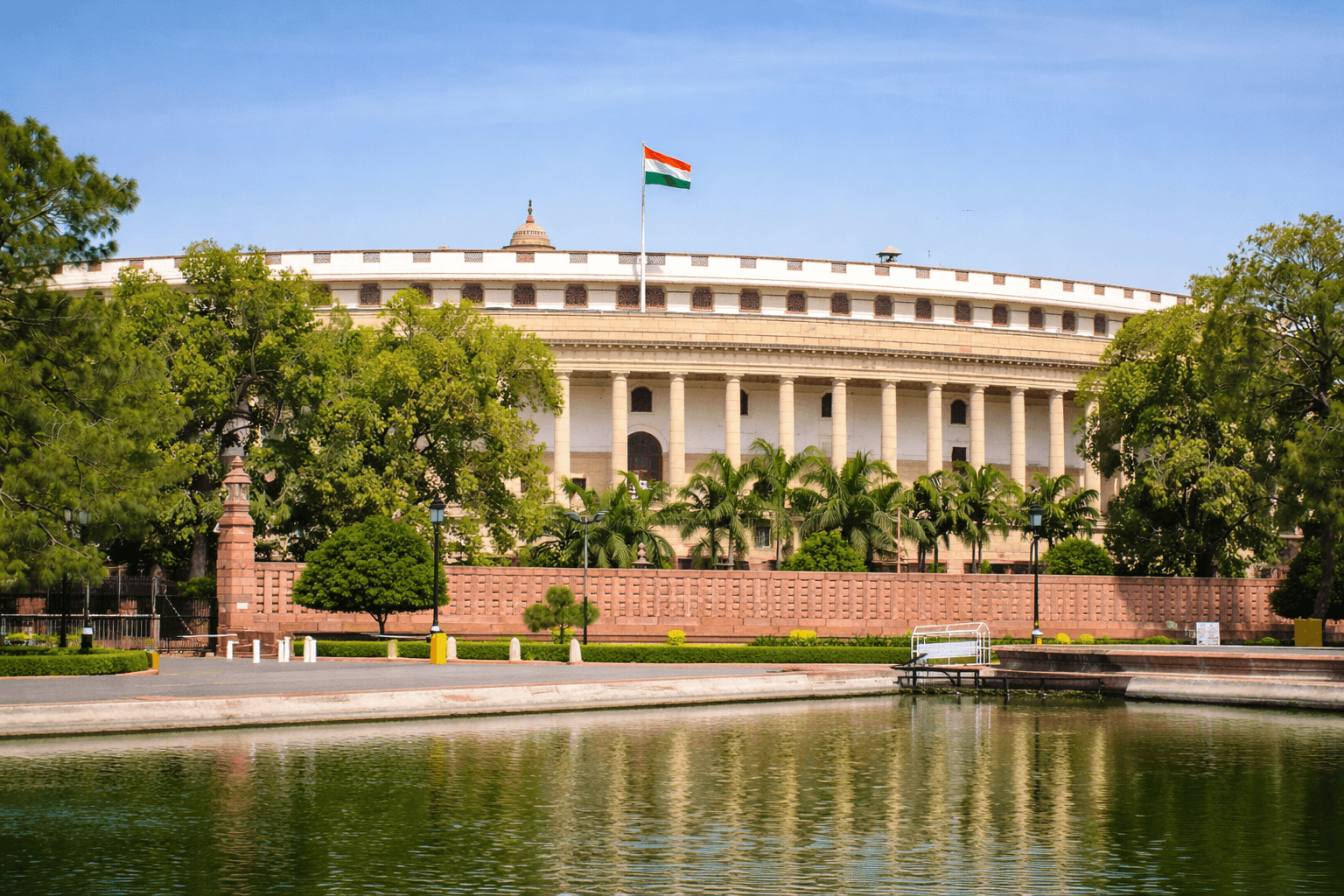
India’s finance ministry has asked Parliament to approve ₹2.81 lakh crore in additional spending for the 2025-26 fiscal year, highlighting the growing pressure on government finances from global economic volatility and rising subsidy costs.
The request forms part of the government’s second supplementary demands for grants, which allow ministries to seek additional funds beyond the original Union Budget allocation.
Of the proposed amount, the net additional cash outgo is estimated at about ₹2.01 lakh crore, while the remaining expenditure will be financed through savings and adjustments across government departments.
The spending package reflects the government’s effort to manage rising costs for fertilisers, food subsidies and defence expenditure while also creating buffers against global economic shocks.
Fertiliser Subsidy Drives Additional Spending
A significant portion of the new spending proposal relates to fertiliser subsidies.
The government has requested an additional ₹19,230 crore to support fertiliser supplies and stabilise prices for farmers.
Of this amount:
- Around ₹15,000 crore will support the Nutrient Based Subsidy (NBS) scheme, which subsidises phosphatic and potassic fertilisers.
- About ₹4,230 crore will cover additional urea subsidy requirements.
Rising global fertilizer prices have increased pressure on India’s subsidy budget. Fertilizer costs have surged partly because of disruptions in global energy and commodity markets, including tensions in West Asia.
India imports a significant share of its fertilizer requirements, which makes the subsidy bill sensitive to fluctuations in global prices.
Economic Stabilization Fund to Counter Global Shocks
Another major component of the proposal is a ₹1 lakh crore transfer to the Economic Stabilization Fund.
The fund acts as a financial buffer designed to help the government respond to sudden economic shocks such as commodity price spikes or geopolitical disruptions.
Officials say the allocation reflects concerns about the uncertain global economic environment, including the potential impact of ongoing geopolitical tensions on energy and commodity prices.
The stabilization fund can support additional government spending if global crises disrupt markets or increase subsidy costs.
Other Key Allocations in the Spending Plan
The supplementary demands include several other major allocations across government departments.
These include:
- ₹23,641 crore for food subsidy programmes, including the Pradhan Mantri Garib Kalyan Anna Yojana.
- Additional spending on defense services and revenue expenditure.
- Transfers to reserve funds such as the Gold Reserve Fund under the Sovereign Gold Bond scheme.
The defense ministry has also sought funds to cover spectrum charges and healthcare programs for ex-servicemen.
Managing Fiscal Pressure
Economists say the size of the supplementary spending package reflects the government’s attempt to balance fiscal discipline with rising subsidy obligations.
India’s fertilizer subsidy alone already exceeds ₹1.8 lakh crore in the revised budget estimate for FY26, making it one of the largest components of government spending.
Despite the additional spending, officials say they remain confident that the fiscal deficit will stay within manageable limits.
A significant share of the proposed spending will be offset by savings across ministries or higher revenue collections.
Why Supplementary Grants Are Used
Supplementary demands for grants allow the government to adjust spending during the fiscal year when actual requirements differ from initial budget estimates.
The current proposal represents the second batch of such demands for FY26. Parliament had already approved a first round of additional spending earlier in the fiscal year.
Such adjustments are common in large economies where subsidy costs, defence needs and economic conditions change during the year.
Global Volatility Shapes Fiscal Planning
The additional spending request highlights how global economic developments increasingly influence national budgets.
Rising energy prices, commodity volatility and geopolitical conflicts can quickly increase subsidy costs in sectors such as fertilisers, food and fuel.
For India, which imports large quantities of energy and fertiliser inputs, such fluctuations often translate into higher government spending to protect farmers and consumers.
By creating financial buffers such as the Economic Stabilisation Fund, policymakers hope to shield the economy from sudden shocks while maintaining fiscal stability.
Topics
Covering startup news, AI, technology, and business at ThePrimely. Delivering accurate, in-depth reporting on the stories that shape the future.