
Gukesh Held by Maghsoodloo at Prague Chess Masters
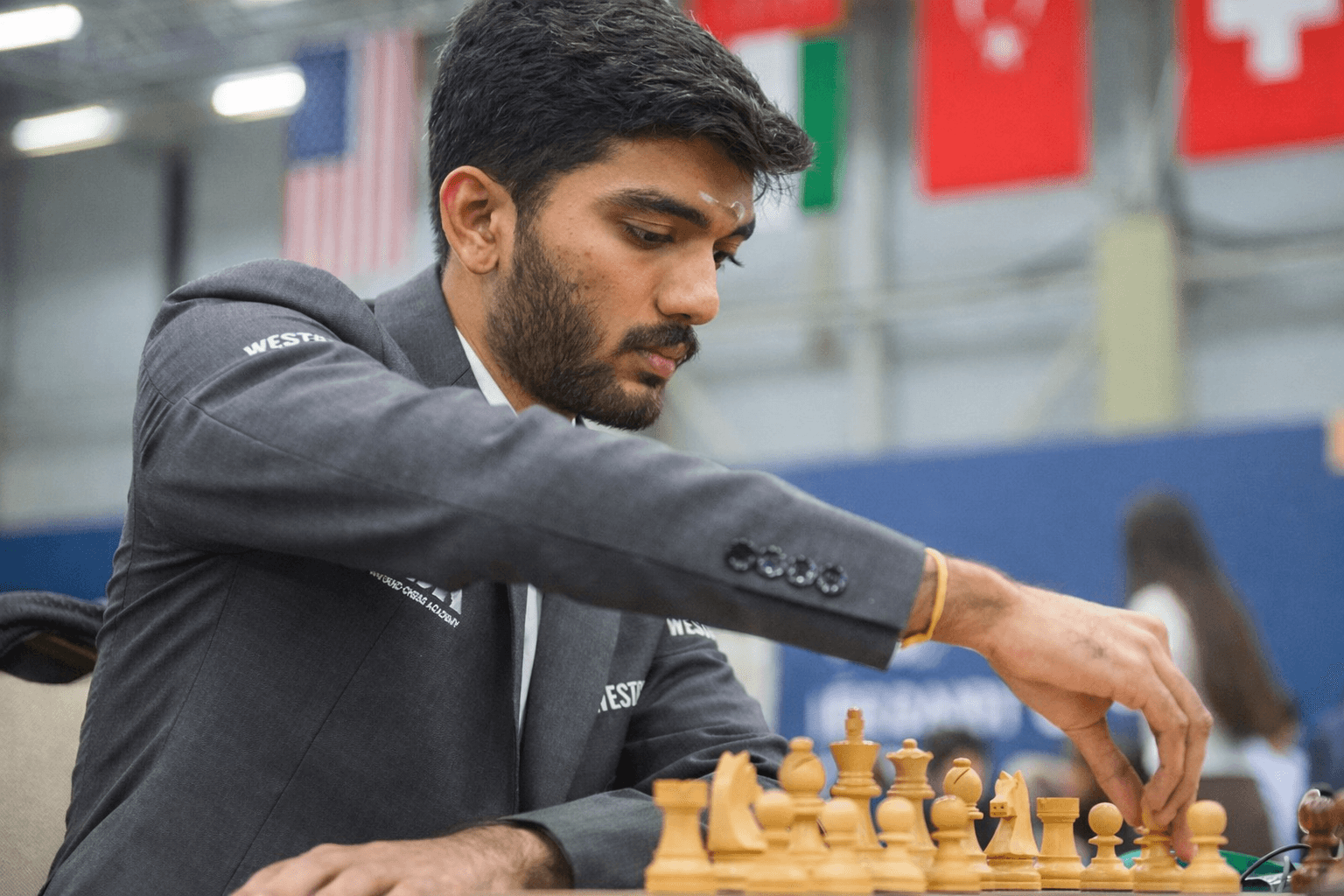
The Prague International Chess Festival continues to deliver high-level competition, and the clash between world champion D Gukesh and Iranian grandmaster Parham Maghsoodloo added another strategic chapter to the tournament.
The game ended in a draw after a tense battle that reflected both players’ cautious yet calculated approach. The result underscores the highly competitive environment at the Prague Masters, where even the slightest inaccuracies can shift momentum in elite chess.
For Gukesh, the draw provides stability in a tournament where results have been mixed. For Maghsoodloo, it confirms his ability to challenge the world champion in one of Europe’s most prestigious chess events.
The Gukesh vs Maghsoodloo Prague Chess Battle
The Gukesh vs Maghsoodloo Prague Chess encounter unfolded with measured strategy rather than aggressive risk-taking. Both grandmasters prioritized positional accuracy and defensive solidity.
Neither player managed to create a decisive breakthrough. As the middlegame evolved, the position gradually simplified. The balance of material and structure led to a mutually agreed draw.
The result highlights the strategic maturity required at elite tournaments. At this level, players often prefer maintaining tournament position over forcing uncertain complications.
Tournament Context: Prague International Chess Festival
The Prague International Chess Festival remains one of the most respected classical chess events in Europe. The 2026 edition is being held from February 25 to March 6 in Prague, Czech Republic, featuring elite grandmasters competing in the Masters section.
The event follows a 10-player round-robin format, ensuring every participant faces each other once. Games are played with classical time controls:
- 90 minutes for the first 40 moves
- Additional 30 minutes for the rest of the game
- 30-second increment per move from the start
This format places strong emphasis on deep preparation, endurance, and precision.
Gukesh’s Current Tournament Performance
For D Gukesh, the Prague Masters has been a demanding campaign. The reigning world champion entered the event as one of the strongest competitors but has faced challenging games against experienced grandmasters.
Earlier in the tournament, Gukesh secured a hard-fought draw against Hans Niemann, demonstrating his defensive resilience in a complex position.
However, the event has also seen setbacks, including losses that have affected his standing in the tournament table.
These mixed results highlight the intense competitiveness of modern elite chess. Even world champions face constant pressure from a rising generation of elite grandmasters.
Strategic Analysis of the Draw
The draw between Gukesh and Maghsoodloo reflects broader strategic dynamics seen throughout the tournament.
Several factors influenced the result:
Controlled Risk Strategy
Both players avoided excessive tactical complications. Maintaining structural balance remained the priority.
Time Management
In classical tournaments, players must balance calculation depth with clock pressure. Careful time use often shapes late-game decisions.
Tournament Position
At this stage of the event, players may prefer stability rather than forcing high-risk positions that could lead to losses.
Such decisions are common in round-robin elite tournaments where each half point matters.
The Rising Global Chess Landscape
The Prague Masters also illustrates the evolving global chess ecosystem.
Young players from different regions are now challenging established names consistently. Gukesh himself represents this shift.
Born in 2006, he became the youngest undisputed world chess champion in 2024, defeating Ding Liren in the World Championship match.
His rise reflects India’s rapidly expanding presence in elite chess. Several Indian grandmasters now compete regularly in top international tournaments.
Meanwhile, players like Maghsoodloo represent the strength of emerging chess nations such as Iran.
Implications for Tournament Standings
In tightly contested tournaments, even a single draw influences standings significantly.
The draw ensures:
- Both players remain within reach of the leaders
- The tournament race remains open
- Final rounds gain increased importance
With only a limited number of rounds in a round-robin format, each remaining game carries heightened strategic weight.
Topics
Covering startup news, AI, technology, and business at ThePrimely. Delivering accurate, in-depth reporting on the stories that shape the future.