
Google Pixel 10a Review: Incremental Refinements Rather Than a Major Upgrade
Google’s A-series smartphones have built a reputation for delivering flagship-level software experiences at mid-range prices.
The Google Pixel 10a continues this approach. However, the device focuses on small refinements rather than significant hardware upgrades.
The phone maintains many core features from its predecessor while introducing modest improvements in durability, charging, and software experience. This approach positions the Pixel 10a as a stable evolution rather than a transformative update.
Design and Display: Familiar Yet Polished
The Pixel 10a retains a familiar design language with subtle refinements.
It features a 6.3-inch pOLED Actua display with a 120Hz refresh rate and a resolution of 1080 × 2424 pixels. The screen supports high brightness levels and improved durability thanks to Corning Gorilla Glass 7i protection.
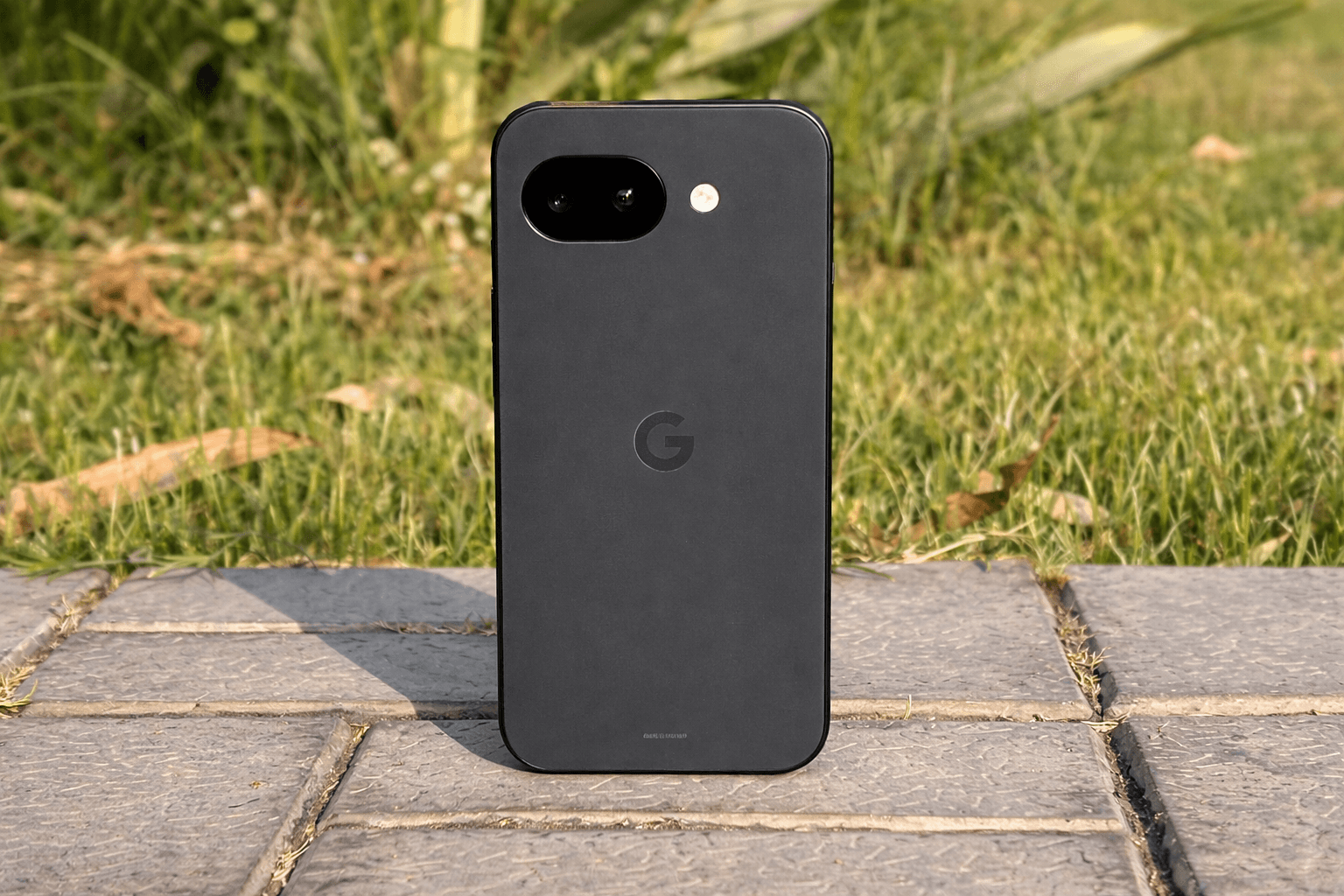
Google has also introduced a cleaner rear design with a flatter camera module, giving the phone a more streamlined appearance.
Despite these changes, the overall look and feel remain close to the previous Pixel 9a.
Performance: Reliable but Not Cutting Edge
The Pixel 10a is powered by Google’s Tensor G4 chipset, paired with 8GB RAM and up to 256GB storage.
While the processor delivers smooth everyday performance, it is not a new generation chip. The same processor was already used in earlier Pixel models.
As a result, users should not expect a significant performance jump compared with the previous generation. However, routine tasks such as browsing, messaging, photography, and media consumption remain fluid.
Camera Performance: Software Still Leads
Google continues to rely heavily on computational photography.
The Pixel 10a carries the same 48-megapixel main camera and 13-megapixel ultra-wide sensor used in the previous model.
Despite unchanged hardware, Google’s image processing software maintains the Pixel’s reputation for excellent photography.
New software features include tools such as Camera Coach, which guides users on framing and composition when capturing photos.
This approach highlights Google’s strategy of improving camera performance through software rather than hardware upgrades.
Battery and Charging Improvement
Battery life remains a strong aspect of the Pixel 10a.
The device includes a 5,100mAh battery, which can deliver more than a full day of typical usage.
Charging capabilities have improved slightly:
- Up to 30W wired fast charging
- 10W wireless charging support
Wireless charging is a welcome addition for a mid-range Pixel phone, though it remains slower compared with many competing Android devices.
Software and Long-Term Support
One of the Pixel 10a’s biggest advantages lies in its software ecosystem.
The phone launches with Android 16 and includes seven years of operating system and security updates.
This long update commitment ensures the device remains secure and functional well into the next decade.
Google’s clean Android interface also continues to provide one of the smoothest software experiences available in the Android ecosystem.
Pricing and Market Position
Google launched the Pixel 10a with a starting price of around ₹49,999 ($499 globally).
At this price point, the phone competes with mid-range devices from brands such as Samsung, OnePlus, and Xiaomi.
Its strongest advantages include:
- Google’s computational photography
- long-term software support
- clean Android experience
However, the lack of major hardware upgrades may make it a less compelling option for users who already own the previous generation.
Topics
Covering startup news, AI, technology, and business at ThePrimely. Delivering accurate, in-depth reporting on the stories that shape the future.