
First Female Archbishop of Canterbury Installed in Historic Moment for Church of England
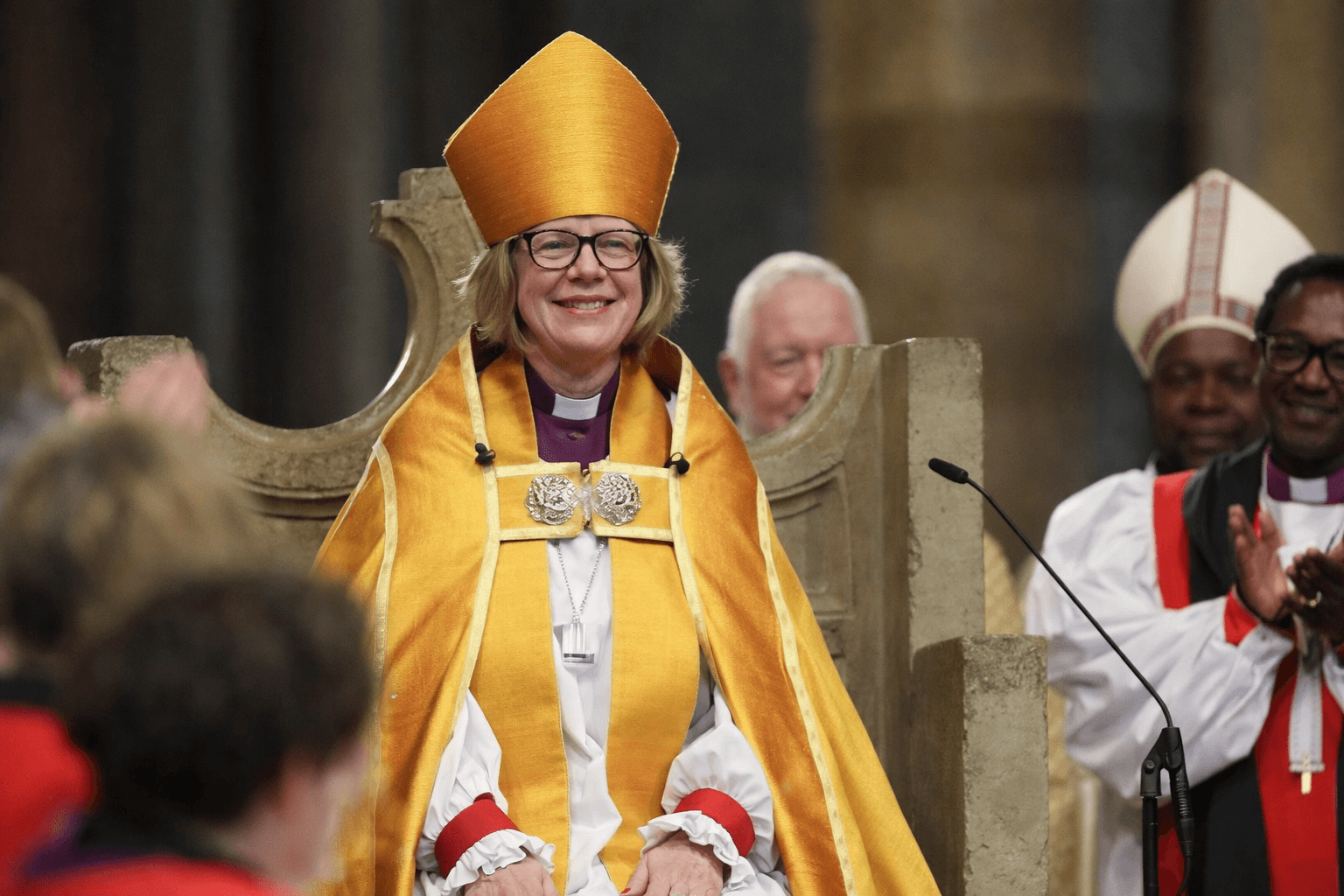
History unfolded at Canterbury Cathedral as Dame Sarah Mullally became the first woman to serve as Archbishop of Canterbury. The role makes her the spiritual leader of the Church of England and the global Anglican Communion.
Her installation marks a major turning point in church history. All 105 previous Archbishops of Canterbury had been men since the role began in 597 AD.
During her first sermon, Dame Sarah highlighted the need for accountability and compassion. She spoke about the importance of supporting people harmed within church communities.
She warned that the church must never ignore the experiences of victims. She said truth, justice and care must guide the church’s actions.
A Historic Change in Church Leadership
The Archbishop of Canterbury remains one of the most influential religious figures in the world. The role guides millions of Anglicans across more than 160 countries.
The Church of England allowed women to become priests only in 1994. Her appointment shows how church leadership continues to evolve.
Reflecting on her journey, she said she never expected to hold such a role when she first committed to faith as a teenager.
Her appointment also highlights the growing role of women in religious leadership. However, debate continues within parts of the Anglican Communion.
Some traditionalists still oppose the ordination of women. Their concerns show continuing divisions within the global church.
Ceremony at Canterbury Cathedral
The installation ceremony, historically known as an enthronement, symbolises the beginning of an archbishop’s public ministry.
Around 2,000 guests attended the service at Canterbury Cathedral. The Prince and Princess of Wales attended on behalf of King Charles.
The ceremony combined tradition with modern elements. This reflected the evolving identity of the Church of England.
Dame Sarah began the ceremony by knocking three times on the West Door with her pastoral staff. This act symbolised acceptance of responsibility.
She later swore an oath using the Saint John’s Bible. It marked the first time a newly commissioned bible was used in the ceremony since 1945.
Religious readings and prayers were delivered in several languages. This reflected the global diversity of the Anglican Communion.
A Career Rooted in Care and Faith
Before entering ordained ministry, Dame Sarah worked as a nurse. She often describes this experience as central to her leadership approach.
Her healthcare background shaped her focus on compassion and safeguarding.
Nurses and carers from Canterbury attended the ceremony. Their presence recognised her early professional life.
Her predecessor Justin Welby resigned in 2024 after criticism of his handling of safeguarding issues.
This background has increased attention on how the new archbishop will address similar concerns.
Dame Sarah has promised stronger safeguarding measures. She also pledged greater transparency within church leadership.
She said senior leaders must accept scrutiny and responsibility when addressing sensitive issues.
Challenges Facing the Church of England
The new Archbishop begins leadership during ongoing debates within the Anglican Communion.
Issues include same-sex unions, safeguarding reforms and the role of women in ministry.
Some conservative leaders have expressed opposition to her appointment. Their response shows the range of opinions within the global church.
Many supporters see her leadership as a sign of progress within a centuries-old institution.
A Symbol of Tradition and Change
The installation ceremony included elements that reflected both tradition and change.
Before the ceremony, Dame Sarah completed a six-day pilgrimage from St Paul’s Cathedral to Canterbury Cathedral.
She walked nearly 90 miles during the pilgrimage.
The journey symbolised reflection and preparation for spiritual leadership.
While rooted in centuries-old traditions, the ceremony also reflected modern society and global diversity.
A New Chapter in Anglican History
Dame Sarah Mullally’s appointment represents a historic step for the Church of England.
Her leadership begins at a time when religious institutions worldwide are reassessing their roles in society.
Key issues include social justice, accountability and inclusion.
As the first female Archbishop of Canterbury, her leadership may influence discussions about faith and reform for many years.
Her appointment shows how historic institutions continue to evolve.
It also reflects the balance between tradition and modern expectations in today’s society.
History unfolded at Canterbury Cathedral as Dame Sarah Mullally became the first woman to serve as Archbishop of Canterbury. The role makes her the spiritual leader of the Church of England and the global Anglican Communion.
Her installation marks a major turning point in church history. All 105 previous Archbishops of Canterbury had been men since the role began in 597 AD.
During her first sermon, Dame Sarah highlighted the need for accountability and compassion. She spoke about the importance of supporting people harmed within church communities.
She warned that the church must never ignore the experiences of victims. She said truth, justice and care must guide the church’s actions.
A Historic Change in Church Leadership
The Archbishop of Canterbury remains one of the most influential religious figures in the world. The role guides millions of Anglicans across more than 160 countries.
The Church of England allowed women to become priests only in 1994. Her appointment shows how church leadership continues to evolve.
Reflecting on her journey, she said she never expected to hold such a role when she first committed to faith as a teenager.
Her appointment also highlights the growing role of women in religious leadership. However, debate continues within parts of the Anglican Communion.
Some traditionalists still oppose the ordination of women. Their concerns show continuing divisions within the global church.
Ceremony at Canterbury Cathedral
The installation ceremony, historically known as an enthronement, symbolises the beginning of an archbishop’s public ministry.
Around 2,000 guests attended the service at Canterbury Cathedral. The Prince and Princess of Wales attended on behalf of King Charles.
The ceremony combined tradition with modern elements. This reflected the evolving identity of the Church of England.
Dame Sarah began the ceremony by knocking three times on the West Door with her pastoral staff. This act symbolised acceptance of responsibility.
She later swore an oath using the Saint John’s Bible. It marked the first time a newly commissioned bible was used in the ceremony since 1945.
Religious readings and prayers were delivered in several languages. This reflected the global diversity of the Anglican Communion.
A Career Rooted in Care and Faith
Before entering ordained ministry, Dame Sarah worked as a nurse. She often describes this experience as central to her leadership approach.
Her healthcare background shaped her focus on compassion and safeguarding.
Nurses and carers from Canterbury attended the ceremony. Their presence recognised her early professional life.
Her predecessor Justin Welby resigned in 2024 after criticism of his handling of safeguarding issues.
This background has increased attention on how the new archbishop will address similar concerns.
Dame Sarah has promised stronger safeguarding measures. She also pledged greater transparency within church leadership.
She said senior leaders must accept scrutiny and responsibility when addressing sensitive issues.
Challenges Facing the Church of England
The new Archbishop begins leadership during ongoing debates within the Anglican Communion.
Issues include same-sex unions, safeguarding reforms and the role of women in ministry.
Some conservative leaders have expressed opposition to her appointment. Their response shows the range of opinions within the global church.
Many supporters see her leadership as a sign of progress within a centuries-old institution.
A Symbol of Tradition and Change
The installation ceremony included elements that reflected both tradition and change.
Before the ceremony, Dame Sarah completed a six-day pilgrimage from St Paul’s Cathedral to Canterbury Cathedral.
She walked nearly 90 miles during the pilgrimage.
The journey symbolised reflection and preparation for spiritual leadership.
While rooted in centuries-old traditions, the ceremony also reflected modern society and global diversity.
A New Chapter in Anglican History
Dame Sarah Mullally’s appointment represents a historic step for the Church of England.
Her leadership begins at a time when religious institutions worldwide are reassessing their roles in society.
Key issues include social justice, accountability and inclusion.
As the first female Archbishop of Canterbury, her leadership may influence discussions about faith and reform for many years.
Her appointment shows how historic institutions continue to evolve.
It also reflects the balance between tradition and modern expectations in today’s society.
Topics
Covering startup news, AI, technology, and business at ThePrimely. Delivering accurate, in-depth reporting on the stories that shape the future.